
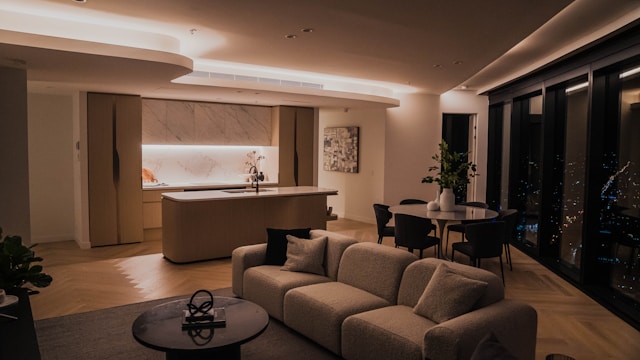
Creating a bohemian-inspired bedroom is about embracing a sense of freedom, artistic expression, and cozy comfort. This style thrives on a mix of textures, patterns, and personal treasures gathered over time. If you are drawn to a space that feels collected, relaxed, and deeply personal, the boho aesthetic is for you. This guide will provide you with ten core ideas to capture that effortlessly eclectic and inviting vibe. Let us explore how to transform your sleeping quarters into a serene, boho-inspired retreat.
1. Start With a Foundation of Texture
The soul of boho design lies in tactile richness. Begin with a base that invites touch. Layer a jute or sisal rug with a softer, plush pile rug on top, like a shag or a vintage Turkish kilim. For your bed, the principle is the same. Start with crisp cotton sheets, add a woven throw blanket, and finish with an assortment of pillows in different fabrics velvet, macramé, embroidered cotton. Do not forget the walls; a textured wallpaper, a woven wall hanging, or a simple plaster finish can add immense depth.
2. Layer Patterns Without Fear
Bohemian style is renowned for its fearless pattern mixing. The key is unity through color or theme. Combine geometric ikats with delicate floral prints, tribal stripes with intricate paisleys. If your color palette is consistent say, terracotta, indigo, and cream the patterns will harmonize. Start with one large-scale pattern on a duvet or rug, then introduce medium and small-scale patterns through pillows and smaller textiles. The result should feel eclectic, not chaotic.
3. Incorporate Low-Level and Ambient Lighting
Harsh overhead lights are the enemy of boho chill. Instead, create pools of warm, gentle light. String fairy lights over a canopy or along a wall for a magical twinkle. Use multiple floor lamps with woven rattan bases and fabric shades. Cluster candles of varying heights on a tray for a safe, flickering centerpiece. The goal is to create a layered lighting scheme that allows you to adjust the ambiance from bright to intimately cozy.
4. Bring the Outdoors In with Abundant Greenery
Plants are non-negotiable in a boho space. They add life, color, and a vital connection to nature. Go for a mix of trailing plants (like pothos or philodendron), tall statement plants (like a fiddle leaf fig or monstera), and air-purifying varieties (like snake plants). Display them in an array of pots: terracotta, hand-painted ceramic, and macramé hangers. Do not have a green thumb? High-quality faux plants can provide the same visual effect without the maintenance.
5. Embrace Vintage and Handmade Furniture
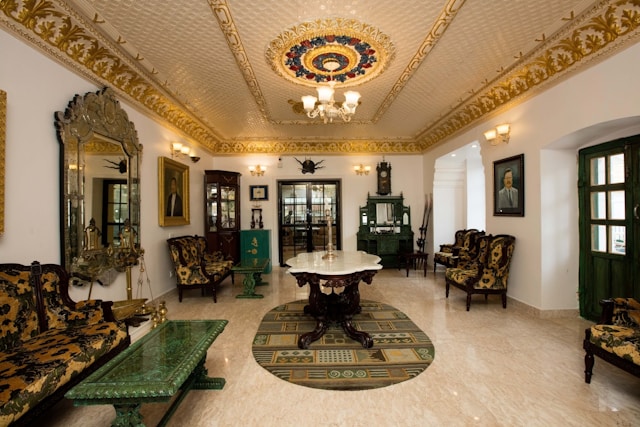
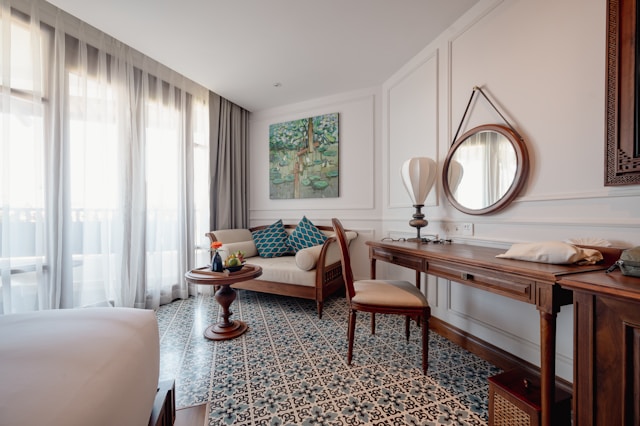
Skip the matching bedroom sets. Boho rooms tell a story through furniture collected from different eras and places. Scout flea markets for a weathered wooden dresser, a vintage rattan chair, or an ornate carved mirror. Incorporate handmade pieces, like a rustic nightstand from a local artisan or a hand-forged iron bed frame. Each piece should feel unique and have character. The patina and imperfections are what give the room its soul.
6. Create a Cozy Floor Seating Area
Boho living is about relaxed, informal lounging. Dedicate a corner of your bedroom to floor seating. Pile up large floor cushions (called poufs or floor pillows), add a low bench or a futon, and drape soft blankets nearby. This creates an intimate spot for reading, meditating, or sipping morning coffee. Anchor the space with a small, low table, perfect for holding a cup of tea, a book, or a small plant.
7. Display Art and Collections Eclectically
Your walls are a gallery for personal expression. Create a salon-style gallery wall that mixes framed art, photographs, textile pieces, and small shelves holding curios. Do not worry about perfect symmetry. Lean larger pieces against the wall on top of a dresser. Hang a decorative tapestry as a bold headboard alternative. The art should reflect your journeys, interests, and tastes, making the space undeniably yours.
8. Utilize Natural Materials and Fibers
The boho aesthetic is grounded in nature. Throughout the room, incorporate materials like wood, rattan, wicker, bamboo, leather, and stone. A rattan headboard, a seagrass basket for storage, a bamboo room divider, or a leather trunk at the foot of the bed all contribute to this organic feel. These materials add warmth, texture, and a sense of earthy authenticity that is central to the style.
9. Opt for a Relaxed, Earthy Color Palette
While boho can embrace jewel tones, a truly serene bedroom often benefits from a relaxed, earthy base. Think warm whites, beiges, taupes, and soft grays as your backdrop. Then, layer in muted colors inspired by the desert or forest: sage green, dusty rose, terracotta, mustard yellow, and deep indigo. This palette feels calming and grounded, allowing your textured layers and patterns to shine without overwhelming the senses.
10. Add Personal and Cultural Souvenirs
This is the final, most important layer. A boho room without personal items is just a theme. Decorate with objects that have meaning: souvenirs from your travels, hand-me-downs from family, books you love, musical instruments, or artifacts collected over time. A Moroccan lantern, a set of Indian brass bells, or a framed map of a favorite place can serve as conversation starters and imbue the space with your unique spirit.
How-To: Build Your Boho Bedroom in 5 Steps
- Define Your Base Palette and Texture. Choose your dominant neutral wall color and invest in a large natural fiber rug. This is your foundational canvas.
- Source Your Key Furniture Pieces. Find your bed frame, a primary dresser, and one comfortable seating item. Prioritize vintage, wood, or rattan for authenticity.
- Layer the Textiles. This is the most transformative step. Add your bedding, layer rugs, drape throws, and pile on pillows. Mix those patterns and fabrics boldly.
- Introduce Light and Life. Set up your layered lighting scheme with at least three light sources (e.g., floor lamp, string lights, table lamp). Place your plants strategically around the room.
- Personalize with Art and Treasures. Hang your gallery wall, place books and collections on shelves, and arrange your personal souvenirs. This step makes the space yours.
Pro Tips for a Cohesive Bohemian Look
- Tip 1: The 60-30-10 Rule (Loosely): Use your dominant neutral for 60% of the room (walls, large rug, bedding), a secondary color for 30% (curtains, a large piece of furniture), and accent colors for the remaining 10% (pillows, art, small decor).
- Tip 2: Edit as You Go: Boho is layered, but it should not feel cluttered. Step back occasionally and remove items that feel like they are competing too much. Space needs to breathe.
- Tip 3: Repurpose and Upcycle: Before buying new, see what you can repaint, reupholster, or repurpose. An old ladder as a blanket rack or crates as shelving adds instant character.
- Tip 4: Focus on the Bed: As the largest element, make it a masterpiece of layers. Use a duvet cover, a quilt, a throw, and no fewer than five pillows in different shapes and sizes.
Traditional Bohemian vs. Modern Boho: A Comparison
| Feature | Traditional Bohemian | Modern Boho |
|---|---|---|
| Color Palette | Rich, saturated jewel tones (burgundy, emerald, gold), dark accents. | Muted, earthy neutrals with soft accents (terracotta, sage, mustard). |
| Patterns | Maximalist mixing of global patterns (ikat, paisley, tribal). | More restrained mixing, often using texture as a primary pattern. |
| Furniture | Heavily carved dark wood, ornate details, visibly vintage. | Clean-lined mid-century shapes mixed with rustic or rattan pieces; lighter woods. |
| Overall Vibe | Eclectic, artistic, dramatic, and deeply layered. | Calm, minimalist-inspired, airy, and subtly eclectic. |
| Key Element | Cultural artifacts and collected treasures. | Space and intentional negative space; fewer, more meaningful objects. |
Frequently Asked Questions (FAQ)
Q: Is a bohemian bedroom expensive to create?
A: Not at all. The boho style encourages thrifting, repurposing, and DIY projects. Some of the best items can be found at flea markets, estate sales, or even in your own attic. Focus on investing in a few key textile layers and spend time hunting for unique, affordable pieces.
Q: Can I achieve a boho look in a rental or small space?
A: Absolutely. Renters can use removable wallpaper for texture, command strips for hanging tapestries and light art, and focus on layering rugs and bedding. In small spaces, use vertical space with hanging plants and wall shelves, and choose furniture that serves multiple purposes.
Q: How do I keep a boho bedroom from looking messy?
A: Cohesion is key. Maintain a unifying color scheme throughout your layers. Use ample storage like baskets and trunks to taway everyday clutter. Practice mindful editing; if a new item does not add to the story or feel harmonious, do not include it.
Q: What is the most important element of boho design?
A: While textures and patterns are crucial, the most important element is personalization. A boho space should reflect the individual’s life, travels, and passions. Without personal treasures and a sense of lived-in comfort, it risks being just a stylistic theme.
Q: Can boho style work with other design styles?
A: Yes, it blends beautifully. “Boho-chic” often mixes with glam via metallic accents. “Scandi-boho” combines minimalist Scandinavian furniture with boho textiles and plants. The eclectic nature of boho makes it a versatile partner.
Conclusion
Designing a bohemian-inspired bedroom is a joyful journey of self-expression. It is about breaking rigid rules in favor of what feels good, looks beautiful, and tells your unique story. By focusing on rich textures, a harmonious yet eclectic mix, natural elements, and, above all, personal treasures, you can create a sanctuary that is not only visually captivating but also deeply comforting. Remember, the perfect boho space is never finished; it evolves with you, welcoming new layers and stories as time goes on.
Key Takeaways
- Texture is Fundamental: Layer rugs, bedding, and throws in diverse materials like wool, cotton, velvet, and macramé to build a tactile foundation.
- Personalization is Paramount: The space must reflect your journey through displayed art, cultural souvenirs, and collected vintage finds.
- Embrace a Layered Approach: Success comes from combining lighting, greenery, patterns, and natural materials in a curated, cohesive way.
- Nature is a Key Decor Element: Incorporate abundant plants and materials like wood, rattan, and jute to ground the space.
- Color Guides the Chaos: A consistent, earthy color palette allows for fearless pattern mixing without creating visual chaos.
Leave a Reply