
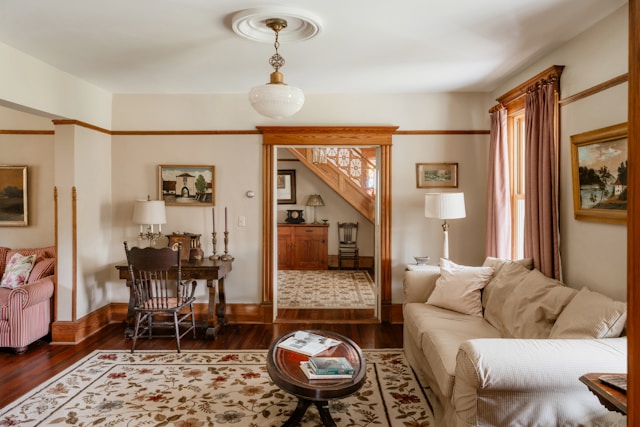
For generations, the formal dining room stood as a reserved space for special occasions, often sitting untouched for most of the year. Today, homeowners seek practicality without sacrificing elegance. The goal is to create a beautiful, inviting room that supports daily life while being ready for holiday gatherings. This guide presents ten innovative concepts to reinvent this underutilized area into a functional and stylish part of your home. Discover formal dining room ideas you’ll actually use, blending tradition with modern livability for a space that earns its keep every single day.
1. The Modern Multi-Purpose Library Dining Room
Merge intellectual serenity with culinary delight by integrating floor-to-ceiling bookshelves along one or more walls. A large, sturdy dining table serves as a perfect surface for reading, studying, or working on puzzles, while comfortable chairs with good back support are key.
- Why It Works: It adds warmth, personality, and intellectual charm. The books provide natural decoration and sound dampening, creating an intimate atmosphere for dinners.
- Actionable Tip: Use a sideboard or console to store linens and servingware, keeping the bookshelves for books and decorative objects. Ensure lighting is ample with a central chandelier for the table and adjustable shelf lighting or wall sconces for reading.
2. The Casual-Formal “Almost Kitchen” Extension
Break down the wall, literally or visually, between your kitchen and dining room. Use this space for a large kitchen island that spills into the dining area, or install a secondary prep sink, a wine cooler, or a dedicated coffee and bar station.
- Why It Works: It dramatically increases your kitchen’s functionality and storage, making entertaining fluid and interactive. Guests can gather without crowding the main cooking zone.
- Actionable Tip: Maintain a cohesive design language with the kitchen. A matching or complementary table positioned near the added amenities makes serving effortless. This setup is perfect for buffet-style meals and casual Sunday brunches.
3. The Biophilic Dining Sanctuary
Connect deeply with nature by designing a dining room that feels like a garden conservatory. Focus on natural materials (wood, stone, rattan), a palette of greens and earth tones, and most importantly, an abundance of plants.
- Why It Works: Plants improve air quality and reduce stress, creating a uniquely peaceful environment for meals. The greenery makes the room feel alive and used, as plants require regular care.
- Actionable Tip: Incorporate a large window or sliding door to a garden if possible. Use hanging planters, a large statement tree in a corner, and a centerpiece of succulents or fresh herbs on the table. Choose easy-care varieties suited to your light conditions.
4. The Dedicated Game & Entertainment Room
Equip your dining room for fun by making it the home for board games, card tables, and puzzle building. Deep drawers in a sideboard can store game boxes, while the sturdy dining table becomes the ultimate playing surface.
- Why It Works: It encourages family time and social interaction beyond screens. The room transforms from a formal eating area to the home’s social hub for laughter and friendly competition.
- Actionable Tip: Install a pendant light with a dimmer to adjust lighting for different moods. Floating shelves can display finished puzzles or classic game sets as art. Include comfortable, movable seating for flexibility.
5. The Home Office Conference Combo
With remote work now commonplace, a quiet, dedicated workspace is gold. A formal dining room, often separated from household noise, is ideal. Use a large table that can accommodate your laptop and papers at one end, while leaving space for dining.
- Why It Works: The table provides ample spread-out space for projects, and the room’s inherent formality lends itself to a professional backdrop for video calls.
- Actionable Tip: Invest in elegant storage like a closed cabinet or armoire to hide office supplies at the end of the workday. A stylish desk chair that complements the dining set allows for a seamless transition from work mode to dinner mode.
6. The Artistic Gallery Dining Space
If you collect art, this is your opportunity to give it a proper stage. Keep walls a neutral, gallery-white or deep moody tone and use professional picture lights to illuminate each piece. Let the art be the overwhelming decor.
- Why It Works: It creates a stimulating, sophisticated environment for conversation during meals. The room is used daily as you and your family enjoy the artwork, and it becomes a talking point for guests.
- Actionable Tip: Choose a simple, minimalist dining table and chairs to avoid visual competition. Rotate your collection periodically to keep the space feeling fresh and dynamic.
7. The Flexible Family Project Zone
Cater to creativity and homework by designing a multi-use family command center. One side of the room can have a craft table or children’s desk, while the main dining area remains clear for meals.
- Why It Works: It contains mess and projects to a specific, easy-to-clean area, making the dining table always available for its primary purpose. It acknowledges and facilitates the messy, creative parts of family life.
- Actionable Tip: Use a large, washable rug under the project area. Incorporate abundant, labeled storage for craft supplies, homework materials, and board games. A fold-down table or mobile craft cart can offer even more flexibility.
8. The Luxurious Home Bar & Tasting Room
Elevate your hosting by dedicating a significant portion of the room to beverage service. Install a beautiful bar cabinet, a wine refrigerator, open shelving for glassware, and a small sink. Use bar carts for additional flexibility.
- Why It Works: It makes entertaining effortless and special. The room becomes a destination for cocktail hours, wine tastings, and after-dinner drinks, ensuring it gets used regularly.
- Actionable Tip: Select materials that are easy to clean, like quartz or marble for the bar top. Display beautiful decanters, trays, and glassware as part of the decor. Proper bar tools stored within easy reach complete the experience.
9. The Heirloom Showcase & Storytelling Room
Design the room around your family history. Use a inherited dining set as the centerpiece, and incorporate a display cabinet for china, photographs, and artifacts. Let every object have a story.
- Why It Works: It infuses the space with deep personal meaning and becomes a living museum of your family’s journey. It naturally encourages storytelling during meals, connecting generations.
- Actionable Tip: Mix old and new; pair an antique table with contemporary chairs or lighting. Use modern framing for old photographs. This approach guarantees the room feels personal, loved, and actively used to celebrate heritage.
10. The Convertible Guest Ready Space
For those who frequently host overnight visitors, this dual-purpose room is essential. Opt for a stylish, high-quality sleeper sofa or a wall bed (Murphy bed) that folds away seamlessly. A console table can double as a nightstand.
- Why It Works: It provides a private, comfortable space for guests without dedicating an entire bedroom year-round. The rest of the time, it functions fully as a beautiful dining room.
- Actionable Tip: Ensure there is accessible storage for guest bedding, towels, and essentials. A room-darkening window treatment is a must for guest comfort. Keep decor relatively neutral to suit both purposes.
How to Transform Your Formal Dining Room: A 5-Step Checklist
Follow this actionable plan to reinvent your space.
- Assess Your Needs: Write down how your household actually lives. Do you work from home? Host game nights? Need craft space? Your primary need dictates the core function.
- Plan the Layout: Determine if you need new furniture (like a sleeper sofa or bar cabinet) or if re purposing existing pieces works. Measure carefully and create a floor plan that allows for clear traffic flow for both its functions.
- Invest in Smart Storage: This is the most critical step. Identify storage solutions (closed cabinets, armoires, stylish trunks) that hide the evidence of your room’s secondary use, allowing for a quick reset.
- Choose a Flexible Design Scheme: Select a color palette and furniture style that can comfortably straddle both functions. Neutral foundations with layers of texture and color in decor (rugs, art, curtains) offer the most adaptability.
- Implement & Refine: Execute your plan. Use the room for its intended dual purposes for a few weeks, then adjust. You may need different lighting, more outlets, or a different chair style.
Expert Tips for a Successful Dual-Purpose Dining Room
- Lighting is Key: Install a dimmable central fixture and supplement with task lighting (floor lamps, sconces) for reading or work, and ambient lighting (candles, LED strips) for mood.
- Prioritize Comfort: Even in a formal setting, chairs should be comfortable enough for long conversations or work sessions. Consider adding cushions or choosing ergonomically supportive designs.
- Control the Clutter: The transition from “project mode” to “dinner party mode” must be swift. Ample, discreet storage is non-negotiable for a successful multi-use room.
- Rug Wisely: Use a large, durable area rug that fits under the table and chairs. It should be easy to clean, especially if the room will host crafts, kids, or frequent entertaining.
Formal vs. Multi-Use Dining Space: A Comparison
| Feature | Traditional Formal Dining Room | Re imagined Multi-Use Dining Room |
|---|---|---|
| Primary Use | Occasional meals, holidays | Daily activities + meals & entertaining |
| Furniture | Strictly dining set, sideboard | Flexible (desks, sleeper sofas, bar units) |
| Atmosphere | Stiff, reserved | Lived-in, inviting, personal |
| Storage | For china and linens only | Hybrid: dining + hobby/office/guest |
| Value to Home Life | Low (infrequent use) | High (constant utility and enjoyment) |
| Design Focus | Formality and tradition | Flexibility, comfort, and personal expression |
Frequently Asked Questions (FAQ)
Q: Won’t adding another function make my dining room look cluttered?
A: Not with intentional design. The secret is dedicated, closed storage. Office supplies, craft materials, and board games should be hidden in cabinets or armoires when not in use, leaving clean surfaces for dining.
Q: How can I make a sleeper sofa or desk look like it belongs in a dining room?
A: Choose pieces that share design elements with your dining set. Similar wood tones, metal finishes, or upholstery colors create visual harmony. A high-quality, stylish sleeper sofa can look like a regular sitting area piece.
Q: Is it expensive to convert a formal dining room?
A: It can be done at any budget. The most significant cost may be a key furniture piece like a wall bed or custom shelves. However, repurposing furniture you own and investing in smart organizers is a very cost-effective approach.
Q: Can I still host a formal dinner in a multi-use room?
A: Absolutely. In fact, it’s the goal. A quick clear-off of surfaces, pulling out your best linens and tableware, and adjusting the lighting can instantly elevate the space for a formal occasion. The daily use adds warmth that pure formality often lacks.
Q: What is the biggest mistake to avoid?
A: Trying to cram in too many functions. Choose one, or at most two, secondary uses. A room that tries to be a home office, playroom, gym, and dining room will fail at all of them and feel chaotic.
Key Takeaways
- The modern formal dining room should serve your daily life while remaining ready for entertaining.
- Successful dual-purpose rooms rely on smart, concealed storage to manage clutter.
- Flexible lighting and comfortable seating are crucial for adapting the space between its different functions.
- Your personal hobbies and household needs (e.g., work, guests, crafts) should guide the room’s secondary purpose.
- A thoughtful multi-use design can increase both the enjoyment and the property value of your home.
Conclusion
Reimagining your dining area is not about diminishing its grandeur, but about enhancing its relevance. By thoughtfully integrating a function that resonates with your lifestyle, you create a space that invites daily engagement. It becomes the backdrop for weekday meals, creative projects, focused work, and cherished gatherings. The result is a room that is not just a showpiece, but the true heart of your home. These ten ideas for a formal dining room you’ll actually use provide a blueprint for creating a space that is both beautiful and brilliantly functional, ensuring it is cherished every day of the year.
Leave a Reply