
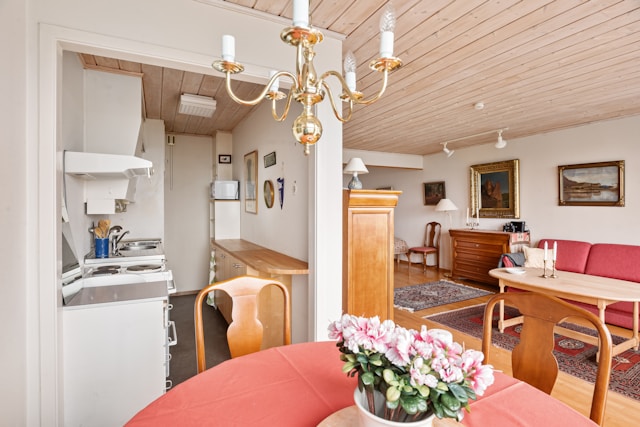
A monochromatic color scheme is a hallmark of sophisticated design, creating a serene and cohesive backdrop. However, without careful consideration, a single-color room can fall flat. The secret to a captivating monochromatic space lies not in color, but in contrast and complexity achieved through texture. This guide will walk you through five fundamental methods to layer texture, ensuring your room feels dynamic, inviting, and far from one-dimensional.
The Power of Tactile Contrast
Texture refers to the surface quality of an object, perceived through both touch and sight. In a monochromatic palette, where color variation is minimal, texture becomes the primary tool for creating visual weight, defining zones, and adding depth. It introduces a sensory experience—the roughness of jute, the cool smoothness of metal, the softness of velvet—that makes a space feel curated and lived-in. Mastering this element prevents your room from feeling sterile and instead transforms it into a layered, intriguing environment.
Way 1: Layer a Variety of Textiles
Textiles are the most accessible and impactful way to introduce texture. Start with your largest anchors and build upwards.
- Rugs: Begin with a foundational texture on the floor. A plush, high-pile wool rug feels luxurious underfoot, while a flat-woven jute or sisal rug adds earthy, rustic contrast.
- Window Treatments: Move to the walls with drapery. Linen curtains offer a gentle, slightly wrinkled texture that diffuses light beautifully. For more drama, consider a heavy velvet or raw silk.
- Upholstery: Mix materials on your seating. Pair a smooth leather sofa with a nubby bouclé armchair. Use throw pillows in diverse fabrics—chunky knit, smooth satin, embroidered cotton, or faux fur.
- Throws and Blankets: Drape a cable-knit throw over a sleek sofa or a soft mohair blanket at the end of a bed. These smaller elements are perfect for adding a final layer of cozy texture.
Way 2: Incorporate Natural and Organic Elements
Bringing the outside in instantly adds authentic, irregular texture that man-made materials often lack.
- Wood: Incorporate wood with visible grain, knots, and unique markings. A live-edge wooden table, a rattan chair, or reclaimed wood shelving adds warmth and organic texture.
- Stone and Ceramics: A travertine side table, a rough-hewn marble vase, or a collection of glazed ceramic vessels introduce a cool, solid texture.
- Plants: Don’t underestimate the textural power of greenery. The glossy leaves of a Fiddle Leaf Fig, the feathery fronds of a fern, or the spiky silhouette of a succulent add living texture and shape.
- Woven Elements: Baskets for storage, seagrass lampshades, or a bamboo room divider provide intricate, handcrafted texture.
Way 3: Play with Wall Treatments and Architectural Details
Your walls are a vast canvas for textural experimentation.
- Paint and Plaster: Skip flat paint. Opt for limewash or clay plaster for a soft, mottled, breathable finish. Venetian plaster adds a polished, stone-like depth.
- Wallcoverings: Grasscloth wallpaper is a classic for a reason—its woven strands create incredible depth. Other options include textured linen weaves, embossed patterns, or even silk panels.
- Architectural Additions: Install wainscoting, board and batten, or shiplap paneling. These add rhythm, shadow lines, and tangible relief to your walls.
- Art and Wall Hangings: Use art with thick impasto brushstrokes, tapestries, macramé wall hangings, or sculptural bas-relief pieces to break up large wall spaces.
Way 4: Mix Furnishings with Different Materials
A room where every piece is made of the same material (e.g., all glass and chrome) can feel cold. Intentional mixing is key.
- Create a Material Palette: Select 3-4 primary materials for your main furniture pieces. For example, a metal frame (cool, hard), a timber tabletop (warm, organic), and a upholstered seat (soft, inviting).
- Consider Surfaces: A glossy lacquered cabinet will reflect light and feel sleek, while a matte, oil-finished oak cabinet absorbs light and feels grounded. Place them in conversation with each other.
- Hardware and Legs: The texture of cabinet knobs (brushed brass vs. polished nickel), or table legs (turned wood vs. hairpin metal), contributes fine detail to the overall textural scheme.
Way 5: Utilize Light and Shadow as Texture
Light is the ultimate texture enhancer. It grazes surfaces, creating highlights and deep shadows that define form.
- Layer Your Lighting: Use a combination of ambient (overhead), task (lamps), and accent (spotlights, sconces) lighting. A directional floor lamp washing over a textured wall will make it pop.
- Choose Fixtures Wisely: A paper lantern creates a soft, glowy texture of light. A perforated metal shade or a crystal chandelier creates intricate patterns of shadow and sparkle.
- Embrace Natural Light: Sheer curtains will soften daylight, while direct sun will emphasize every contour and weave in your space. Use mirrors strategically to bounce light into darker corners, illuminating texture.
How-To: Building Texture Step-by-Step
Follow this actionable checklist to texture your room like a pro.
- Assess Your Base: Start with your room’s existing elements. Note the dominant material (e.g., hardwood floors, flat-painted walls, a leather sofa).
- Identify the Missing Feel: Decide what’s needed. Does the room feel too cold? Add warm, soft textures (wool, knit, wood). Too soft and undefined? Add hard, structured textures (metal, glass, stone).
- Anchor with Large Pieces: Select your rug and major window treatments first. These set the textural tone.
- Build the Middle Layer: Add your primary furniture (sofa, armchairs, bed, dining table), ensuring a mix of materials from your chosen palette.
- Layer in the Details: Introduce throw pillows, blankets, and smaller decor items like vases, books, and trays. This is where you can have fun with high-contrast textures.
- Add Organic Life: Incorporate at least 2-3 living plants or significant natural elements (a large basket, a wood bowl).
- Style with Lighting: Position your lamps and accent lights to highlight your favorite textural elements. Ensure you have light at different heights.
- Edit and Refine: Step back. Remove one item that feels redundant. The goal is layered complexity, not clutter.
Pro Tips from Designers
The Rule of Three: For any main texture you introduce (e.g., linen), try to include it in at least three places in the room (e.g., linen curtains, linen pillow, linen lamp shade) to create cohesion.
The Touch Test: If you can run your hand across your room and feel only two different surfaces (e.g., smooth and soft), you need more variety. Aim for a minimum of five distinct tactile experiences.
Scale Matters: Pair large-scale textures (a chunky knit blanket) with small-scale textures (a finely woven rattan basket) to keep the eye moving and avoid overwhelming the space.
Start Neutral: If you’re nervous, begin by mixing textures within a neutral family (whites, beiges, grays) before adding color. This trains your eye to see material over hue.
Texture Comparison Table
| Texture Type | Visual Effect | Tactile Feel | Best Used For | Example Materials |
|---|---|---|---|---|
| Plush & Soft | Adds warmth, luxury, and comfort. Visually absorbing. | Soft, inviting, cozy. | Creating intimate, relaxing zones. | Velvet, faux fur, high-pile wool, chenille. |
| Nubby & Coarse | Adds rustic, earthy, and organic character. Grounds a space. | Rough, irregular, natural. | Balancing sleek interiors, adding casual vibe. | Bouclé, jute, sisal, raw linen, tweed. |
| Sleek & Smooth | Reflects light, feels modern, clean, and expansive. | Cool, hard, even. | Making small spaces feel larger, adding polish. | Polished metal, glass, lacquer, polished stone. |
| Natural & Organic | Brings in authenticity, irregularity, and warmth. | Varied, grainly, authentic. | Connecting indoors/outdoors, adding soul. | Live-edge wood, rattan, sea grass, unglazed clay. |
| Shiny & Reflective | Creates sparkle, drama, and light movement. | Smooth, cool, slick. | Accent pieces, lighting, elevating a scheme. | Crystal, high-gloss finishes, metallic threads. |
Conclusion
Designing a compelling monochromatic room is an exercise in subtlety and sensory appeal. By strategically layering textiles, incorporating organic elements, experimenting with walls, mixing materials, and mastering light, you can build a space that is harmoniously unified yet richly detailed. Remember, the goal is to create a room that feels as good as it looks, inviting touch and exploration. These 5 ways to add texture to a monochromatic room provide a blueprint for transforming any flat, single-color scheme into a deeply layered and personally resonant sanctuary.
Key Takeaways
- Texture is the essential tool for adding depth, interest, and a sensory experience to a single-color palette.
- Successful texturing relies on contrast—pairing soft with hard, smooth with rough, and matte with shiny.
- Always layer from the ground up: start with rugs and large furniture, then add medium and small decor items.
- Incorporating natural elements like wood, stone, and plants introduces irreplaceable organic texture.
- Lighting is not just functional; it is a critical textural element that defines shapes and creates shadow play.
Frequently Asked Questions
Can I have too much texture in a room?
Yes, it’s possible. The result can feel busy, chaotic, or overwhelming. The key is balance and intentionality. If your room feels unsettled, edit back by removing a few items and ensuring there are calm, smooth surfaces for the eye to rest.
What if my monochromatic room is all white?
An all-white room is the perfect canvas for texture. In fact, texture becomes even more crucial. Focus on creating a rich interplay of materials—linen, wool, raw wood, marble, black metal—to define the space without relying on color.
How do I choose a rug texture for a high-traffic area?
Prioritize durability and ease of cleaning. Flat-weaves (like wool or synthetic Berber), low-pile loops, and natural fibers like coir are excellent choices. Save delicate, high-pile textures like shag for lower-traffic areas like bedrooms.
Is it okay to mix multiple wood tones when adding texture?
Absolutely. Mixing wood tones adds depth and interest. To keep it cohesive, ensure the woods share either a warm or cool undertone, or unite them with a consistent finish (e.g., all matte or all oiled).
How can I add texture on a tight budget?
Focus on high-impact, low-cost elements. Swap throw pillows and blankets seasonally, add a stack of textured coffee table books, display objects from nature (driftwood, stones), use baskets for storage, or apply a textured paint technique yourself.
Leave a Reply