
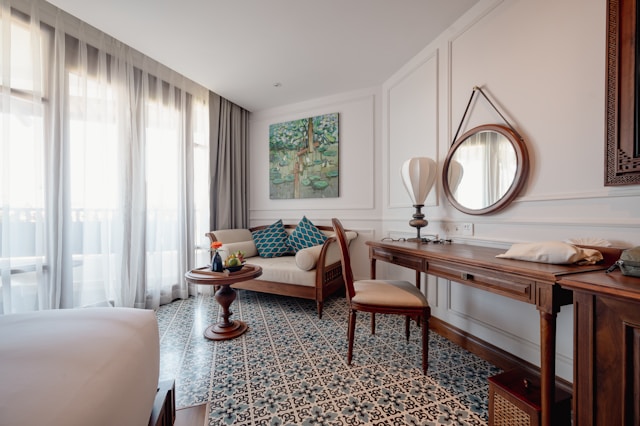
A large, spacious room is often considered a luxury, but it can present a unique decorating dilemma: how to create a sense of intimacy and warmth without sacrificing the feeling of airiness. The echo of empty corners and the vast expanse of floor can leave a room feeling cold and impersonal rather than inviting. This guide is designed to help you transform your generous living area, great room, or master bedroom into a haven of comfort. We will explore five foundational ways to make a large room feel cozier, focusing on intentional design choices that build layers of comfort and character. The goal is not to fill the space, but to thoughtfully cultivate warmth and connection within it.
A vast, undefined space feels unsettling because it lacks human scale and purpose. The first and most powerful strategy is to break the room into smaller, functional conversation areas or zones. This creates intimate pockets within the openness, giving the eye specific places to rest and making the room feel intentionally designed for living.
How to Create Effective Zones:
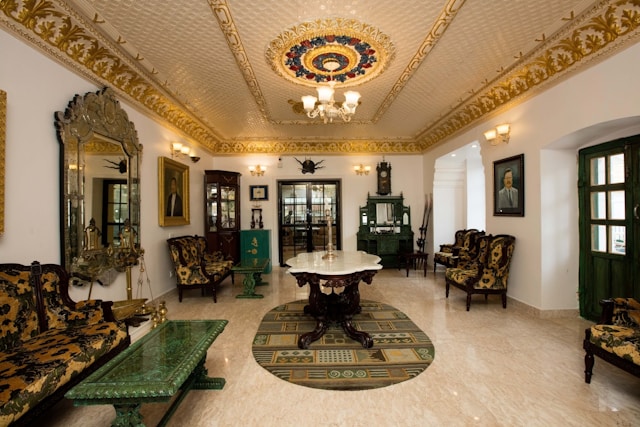
- Use Area Rugs: This is the most effective tool for anchoring a zone. Place a large area rug under your primary seating arrangement to literally draw a boundary on the floor. For very large rooms, use multiple rugs to define separate zones—perhaps one for seating, one for a reading nook, and one under a dining table.
- Arrange Furniture in Groupings: Move your sofa and chairs away from the walls and arrange them in close, conversational clusters facing each other. A distance of 8-10 feet between seats is ideal for talk. Use a coffee table or ottoman as a central anchor.
- Employ Furniture as Room Dividers: A sofa placed with its back to the rest of the room, a console table, a tall bookcase, or even a large potted plant can subtly signal a transition from one zone to another.
- Vary Lighting Per Zone: Each zone should have its own dedicated light source (more on this next), which further reinforces its separate identity.
2. Master of Atmosphere: Strategic Lighting Layers
Harsh, overhead lighting is the enemy of coziness. It flattens a room and emphasizes its scale. To make a large room feel inviting, you must eliminate the single light source and build a lighting plan with multiple layers. This creates pools of light and shadow that add depth, mystery, and warmth.
The Three Essential Layers of Light:
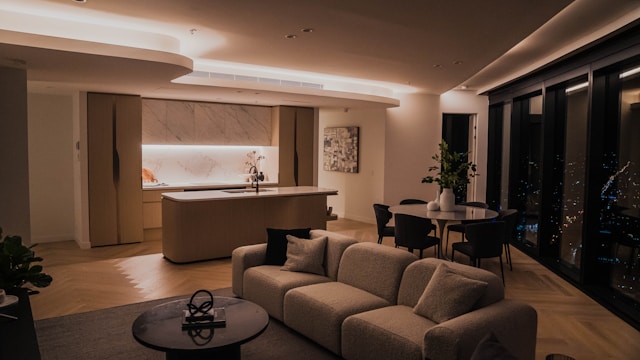
- Ambient Lighting: This is the general, background fill light. Instead of one bright ceiling fixture, opt for multiple softer sources. Consider wall sconces, cove lighting, or several ceiling fixtures on a dimmer.
- Task Lighting: This is focused light for specific activities. Include floor lamps next to armchairs for reading, table lamps on sideboards or consoles, and pendants over game tables or desks.
- Accent Lighting: This is the decorative layer that adds drama and highlights. Use picture lights to illuminate art, LED strips inside bookshelves, or well-placed spotlights to graze a textured wall or highlight a plant. The key for all layers is dimmers. They give you ultimate control over the mood.
3. Texture and Textile: The Tactile Transformation
Cozy is not just a visual experience; it’s a tactile one. A room that invites you to touch it instantly feels warmer and more lived-in. Incorporate a variety of textures to create sensory interest and softness that counteracts the hard, cold surfaces common in large spaces.
A Texture Checklist:
- Soft Furnishings: Layer throw pillows and blankets in chunky knits, faux fur, velvet, corduroy, and cable wool on your sofas and chairs.
- Window Treatments: Replace bare windows or thin blinds with substantial fabric drapes in linen, velvet, or heavy cotton. Hang them high and wide to frame the window, and let them pool slightly on the floor for a luxurious feel.
- Rugs: Add rugs with texture—think shag, jute, sisal, or a high-pile wool. A rug pad underneath adds even more softness underfoot.
- Natural Elements: Incorporate wood (in furniture, beams, or accents), wicker baskets, stone, and clay pottery. These organic materials bring innate warmth and variation.
4. Scale and Proportion: Furniture and Layout Strategies
Using too-small furniture or lining all pieces against the walls are common mistakes in large rooms. This creates a “dollhouse” effect or a void in the center. The solution is to choose pieces with substantial visual weight and arrange them to fill the space appropriately.
Guidelines for Scale and Layout:
- Go Big: Select a sofa with a deep seat and high back. Choose a coffee table that is large enough to serve the seating area (often 48 inches or longer). An oversized floor lamp or a substantial piece of art can anchor a corner.
- Create Weight: Use armoires, substantial bookcases, or a large console table against a wall instead of several small pieces.
- Float Furniture: Pull key seating pieces away from the walls and into the room. This creates walkways behind furniture, making the room feel enveloping rather than like a hallway.
- Consider a “Room Within a Room”: In a very large space, you can position a large sectional or two sofas back-to-back to create two distinct living areas.
5. Color and Warmth: The Psychological Embrace
Color psychology plays a significant role in how spacious or intimate a room feels. While light colors do recede and can make a space feel larger, they can also feel cooler. To add coziness, you need to introduce warmer, deeper, or more saturated tones.
Applying Color for Warmth:
- Accent Walls: Paint one focal wall a rich, deep color like charcoal gray, navy blue, forest green, or terracotta. This visually brings that wall forward, making the room feel less expansive.
- Full Commitment: For the bold, painting all four walls a darker color can be incredibly cocooning and dramatic in a large room with good natural light.
- Wood Tones: Incorporate medium to dark wood stains on floors, furniture, or ceiling beams. Their warmth is irreplaceable.
- Color Drenching: Use the same warm color on walls, woodwork, and even the ceiling for a seamless, enveloping effect that reduces visual boundaries.
6. Personal Sanctuary: The Final Layer of Personality
A cozy room is a reflection of the people who live in it. After addressing the macro elements, infuse the space with personal collections, curated decor, and organic life. These elements add the “soul” that makes a house a home.
Personalizing Your Space:
- Gallery Walls: Create a large, clustered gallery wall of framed photos, art, and memorabilia. This creates a dense, personal focal point.
- Collections Displayed En Masse: Group your favorite books, record collections, ceramics, or travel souvenirs together on shelves. Abundance feels cozy.
- Incorporate Life: Large, healthy floor plants (like fiddle-leaf figs or monsteras) or a tall vase of fresh branches add scale, life, and a natural, calming element.
- Meaningful Textiles: Use quilts, throws, or rugs that have a story—a family heirloom, a souvenir from travels, or a piece made by a local artisan.
Pro Tips from Interior Designers
“In a large room, always start with the rug. It’s the anchor that defines the space. Go much bigger than you think you need—front legs of all seating should comfortably sit on it.”
“Don’t shy away from a large, statement piece of art. One big painting over the sofa is more impactful and cozy than several small ones spaced far apart.”
“Layer your window treatments. Use a sheer linen curtain for soft light diffusion year-round, and add heavier blackout or velvet drapes for winter. The extra fabric adds incredible softness.”
“Scent is an often-forgotten layer of coziness. A quality wood-wick candle, an essential oil diffuser, or even the simple smell of books and wood can make a space feel instantly more welcoming.”
Visual Guide: Lighting Strategies Comparison Table
| Lighting Type | Purpose | Examples | Coziness Factor |
|---|---|---|---|
| Overhead Ambient | General fill light | Recessed cans, flush mounts, chandeliers | Low (on its own). Can be cold. Always use with a dimmer. |
| Reflected Ambient | Soft, diffused general light | Wall sconces, cove lighting, light bounced off ceilings | High. Creates a gentle, shadow-free glow that flatters a room. |
| Task Lighting | Focused light for activities | Floor lamps, table lamps, desk lamps, reading lights | High. Creates pools of light that define intimate zones for reading or games. |
| Accent Lighting | Highlights architecture/decor | Picture lights, shelf LEDs, track lighting, spotlights | Medium-High. Adds drama, depth, and draws the eye to personal collections. |
Step by Step Checklist: Your Cozy Room Roadmap
Follow this actionable list to implement the strategies in this guide:
- [ ] Define Your Zones: Sketch a floor plan. Identify 2-3 potential areas (e.g., main seating, reading nook, game area).
- [ ] Select Area Rugs: Choose rugs large enough to anchor each zone. Ensure key furniture legs sit on them.
- [ ] Plan Your Lighting Layers: Audit your room. Do you have all three layers? Shop for missing task or accent lights. Install dimmer switches.
- [ ] Rearrange Furniture: Pull major seating pieces into the room. Create close conversational distances (8-10 feet max).
- [ ] Add Texture: Shop for at least 2 new textured throw pillows, a chunky blanket, and consider heavier window drapes.
- [ ] Assess Scale: Is your coffee table too small? Do you need a more substantial armchair? Identify one piece to upgrade for better scale.
- [ ] Introduce Warm Color: Choose one method: paint an accent wall, add dark wood furniture, or bring in deep-colored accessories.
- [ ] Personalize: Create one curated display—a gallery wall, a filled bookshelf, or a collection of plants.
- [ ] Final Sensory Check: Adjust lighting to a warm, dim level. Fluff pillows. Light a candle. Enjoy your transformed space.
Key Takeaways
- Zone It Out: Breaking a large room into smaller, purpose-driven areas is the most critical step for creating intimacy.
- Layer the Light: Abandon single overhead lights. Combine ambient, task, and accent lighting on dimmers to control mood.
- Touch Matters: A variety of textures—from knits and wood to velvet and plants—makes a space feel inviting and lived-in.
- Scale is Key: Use substantial furniture and float pieces away from walls to fill the space comfortably and avoid a sparse look.
- Embrace Warmth: Incorporate deeper colors, wood tones, and personal artifacts to add psychological warmth and character.
Frequently Asked Questions (FAQ)
Q: My large room has very high ceilings. How can I make it feel cozier?
A: High ceilings amplify the spacious feeling. Draw the eye downward by using tall bookshelves or drapery hung from the ceiling to the floor. Also, install a statement light fixture at a lower, more human scale (7-8 feet above the floor) to visually lower the ceiling in that zone.
Q: I love a minimalist look. Can I make a large room cozy without adding lots of clutter?
A: Absolutely. Coziness in minimalism comes from texture, warm materials, and perfect lighting. Focus on a single, stunning textured rug, a few large-scale pieces of wooden furniture, impeccable layered lighting on dimmers, and one or two oversized pieces of art. The warmth comes from quality, not quantity.
Q: What is the biggest mistake people make when trying to cozy up a large living room?
A: The twin mistakes are using furniture that is too small and pushing all of it against the walls. This leaves a vast, unused center and makes the room feel like a waiting area. Always choose generously scaled pieces and float them to create intimate groupings.
Q: Are dark walls a good idea in a large room with little natural light?
A: It can be a bold and effective strategy if done correctly. Use a dark, warm color with a slight sheen (eggshell or satin) to reflect light. Then, compensate with ample artificial lighting layers—especially sconces and lamps—to create warmth and contrast. Mirrors can also help bounce light.
Q: How many area rugs is too many in one large room?
A: Let function guide you. In an open-concept space combining living, dining, and walking paths, you might have three: one under the living room seating, one under the dining table, and a runner in a hallway. Ensure there is a harmonious visual connection between them through color, pattern, or texture.
Conclusion
Transforming a cavernous room into a cozy retreat is an exercise in intentional design, not merely decoration. It requires a shift from viewing the space as a single, daunting entity to crafting a series of connected, intimate experiences within it. By defining zones, mastering layered lighting, embracing rich textures, scaling your furniture appropriately, and infusing warm colors and personal touches, you can successfully make a large room feel cozier and more inviting. Remember, the goal is to create a space that not only impresses with its scale but truly comforts and embraces those who live in it. Start with one strategy, observe the change, and layer on the comfort step by step.
Leave a Reply