
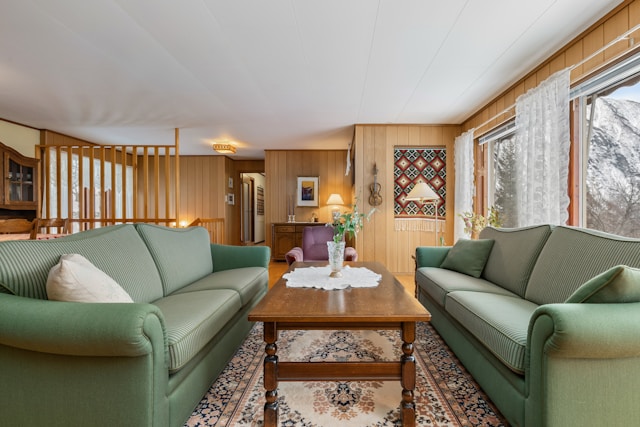
Key Takeaways
- Decorative organization merges functionality with personal style, turning storage into display.
- The key principles are: Declutter First, Choose Dual-Purpose Furniture, Implement a Cohesive Color Palette, Utilize Vertical Space, and Style Your Surfaces Intentionally.
- Success lies in balancing visual appeal with practical accessibility.
- Even small, consistent efforts can transform the feel and function of your space.
Creating a home that feels both serene and stylish often feels like a battle between order and beauty. We stash belongings out of sight to achieve cleanliness, yet can be left with spaces that feel sterile. The solution lies in a harmonious blend of form and function. This guide explores 5 ways to organize your home with beautiful decor, demonstrating that your storage solutions can actively enhance your aesthetic, making your home more organized and more personally expressive.
The Philosophy of Decorative Organization
Decorative organization is a mindset shift. It moves away from hiding your life away in plain boxes and towards curating it in a way that brings joy. It asks: “Can this necessary item also be a thing of beauty?” or “Can this storage piece be a focal point?” This approach reduces visual clutter not by concealment alone, but by creating a cohesive, intentional visual landscape where the things you use and love have a designated, attractive place.
Way 1: Declutter with Intention (The Essential First Step)
You cannot beautifully organize what you do not need or love. This step is non-negotiable.
How-To Steps:
- Category by Category: Don’t tackle rooms; tackle categories (e.g., all books, all kitchen utensils, all clothing). This gives you a true sense of volume.
- The Four-Box Method: As you sort, have four containers: Keep, Donate/Sell, Trash, Relocate. Be ruthless. If you haven’t used it in a year (sentimental items aside), it’s likely a candidate to leave.
- Edit Your “Keep” Pile: For the items you keep, ask: Is it functional? Does it bring me joy? Is it beautiful? The goal is to be surrounded only by items that pass at least one, ideally two, of these tests.
- Sort Keepers into Subcategories: Group like with like. All baking tools together, all fiction books by author, all winter accessories together. This pre-sorting makes the beautiful organization possible.
Pro Tip: When decluttering decor itself, remove everything from a shelf or surface. Clean it, then only add back the items you truly love, one by one. This prevents visual noise and lets each piece shine.
Way 2: Embrace Double-Duty Furniture
Furniture is the workhorse of organization. Choosing pieces that offer hidden storage transforms clutter into curated space.
Actionable Checklist:
- [ ] Ottomans & Benches: Opt for styles with lift-up lids to store blankets, magazines, or toys.
- [ ] Bed Frames: Choose models with built-in drawers underneath to eliminate the need for a bulky dresser in smaller rooms.
- [ ] Coffee Tables: Select tables with shelves, drawers, or a lower shelf to corral remote controls, coasters, and board games.
- [ ] Console & Entryway Tables: Ensure they have at least one drawer for keys and mail, and a lower shelf for bags or shoes.
- [ ] Bookshelves & Cabinets: Don’t just think “books.” Use baskets or decorative boxes on shelves to store everything from office supplies to pantry overflow, creating a uniform look.
Expert Insight: “Double-duty furniture is the cornerstone of small-space design, but it’s just as valuable in large homes. It allows you to maintain clear, open surfaces and flow, which is the ultimate marker of a peaceful, organized home.” – Interior Stylist Note.
Way 3: Master a Cohesive Color and Material Palette
Chaos often stems from visual noise. By applying a limited, intentional palette to your storage, you create instant harmony.
How-To Guide:
- Choose Your Palette: Select 2-3 main colors and 1-2 complementary materials (e.g., wood, wicker, glass, white ceramic, linen). These should relate to your room’s existing decor.
- Apply to Storage Vessels: Use this palette when buying bins, baskets, book binders, boxes, and even kitchen canisters. A set of matching baskets on a shelf looks organized; a mismatched collection can look messy, even if the contents are sorted.
- Label Consistently: Use similar labels (e.g., all black script on kraft tags, or all white vinyl lettering) for any closed storage. This adds a professional, unified touch.
Example Palette: Coastal Calm: Natural jute baskets, white ceramic canisters, blue glass jars, and brushed brass labels. Modern Organic: Black wire bins, light oak boxes, concrete planters, and matte black typography labels.
Way 4: Look Up and Use Your Walls
Floors and counters get crowded because we forget the vertical plane. Walls are prime real estate for decorative organization.
Step-by-Step Installation Ideas:
- Floating Shelves: Install them in dead space (above a toilet, along a hallway, beside a door). Style them with a mix of books, framed art, and a few beautiful storage boxes for smaller items.
- Pegboards & Grid Panels: Once purely industrial, these now come in chic colors and wood finishes. Use matching hooks and shelves to hang kitchen tools, office supplies, or craft materials, turning them into an artful, changeable display.
- Hanging Racks & Rails: In the kitchen, hang copper or black metal rails with S-hooks for mugs and utensils. In the bathroom, use a towel rack to hang baskets for toiletries.
- Wall-Mounted Baskets: Shallow, woven baskets mounted on the wall create pockets for mail, hats, or fruit.
Pro Tip: When styling shelves, use the “rule of thirds.” Visually divide the shelf; don’t line items up. Group items in odd numbers, vary heights (use stacks of books as risers), and blend decorative objects with functional stored items.
Way 5: Style Open Storage Thoughtfully
Open shelving and glass-front cabinets are beautiful but require a strategy. The goal is artful arrangement, not exposed clutter.
The Styling Checklist:
- [ ] Create Vignettes: Group items into small, intentional compositions. Example: A stack of two books, a small sculptural object on top, and a plant beside it.
- [ ] Play with Height & Scale: Alternate tall (vases, candlesticks) with medium (bowls, boxes) and small (figurines, shells) items.
- [ ] Incorporate Textures: Add life with wood (a cutting board), greenery (a small potted plant or dried stems), metal (a brass bowl), and textiles (a folded knit blanket).
- [ ] Leave Breathing Room: Do not fill every square inch. Negative space is crucial for the eye to rest and for the display to feel curated, not crowded.
- [ ] Rotate Seasonally: Keep it fresh by swapping a few items with the seasons—a warmer throw in winter, brighter ceramics in summer.
Visual Element: Decorative vs. Conventional Storage
| Aspect | Conventional Storage | Decorative Organization |
|---|---|---|
| Primary Goal | Conceal items completely. | Store items accessibly while enhancing decor. |
| Mindset | “Out of sight, out of mind.” | “If I have to see it, let it be beautiful.” |
| Typical Solutions | Plain plastic bins, mismatched boxes, overstuffed drawers. | Baskets in a consistent palette, beautiful canisters, styled open shelves. |
| Visual Impact | Can be visually dull or create hidden “clutter zones.” | Actively contributes to the room’s design and aesthetic. |
| Flexibility | Often rigid and purely functional. | Encourages creativity and personal expression. |
| Best For | Long-term, infrequently used items (e.g., holiday decor). | Frequently used, everyday items you want to access easily. |
Conclusion
Transforming your living space doesn’t require a choice between tidy and beautiful. By shifting your perspective to see storage as an integral part of your decor, you can create a home that is systematically organized and deeply personal. Start with a thoughtful declutter, invest in pieces that work twice as hard, and curate your belongings with a mindful eye for color and display. Remember, the most successful homes are those that reflect the people who live in them, in all their functional and beautiful reality. This journey of finding 5 ways to organize your home with beautiful decor is ultimately about creating a backdrop for a more serene and enjoyable daily life.
Frequently Asked Questions
Q: Isn’t open storage just more dusting?
A: It can be, but with a strategy, it’s manageable. Regularly used items collect less dust. For display-only items, a quick swipe with a microfiber duster weekly is usually sufficient. You can also incorporate pieces that are easy to clean, like ceramics or sealed wood.
Q: I’m on a tight budget. How can I start?
A: Begin with decluttering (free!) and repurposing. Paint old cardboard boxes with leftover paint, use matching mason jars in the kitchen, or thrift similar-colored baskets. The unifying principle of color and material is more important than cost.
Q: How do I organize with kids using this approach?
A: Use low, accessible shelves with colorful, labeled bins for toys. Make it easy for them to participate by having a clear “home” for everything. Choose durable, washable storage like canvas bins that fit your color scheme.
Q: What’s the biggest mistake people make when trying this?
A: Skipping the declutter step. Trying to beautifully organize too much stuff will always look crowded. Edit first, then organize what remains. Quality over quantity is key.
Q: Can I mix different decor styles with this method?
A: Absolutely. The method is about intentionality. A bohemian style might use a variety of textured baskets and patterns, while a minimalist style would use monochromatic boxes and clear glass. The principle of cohesion within your chosen style remains the same.
Q: How often should I reevaluate my systems?
A: Do a quick “reset” at the change of seasons. This is a good time to edit items you haven’t used, dust thoroughly, and perhaps rotate a few decorative pieces to keep the space feeling fresh and functional.
Leave a Reply