
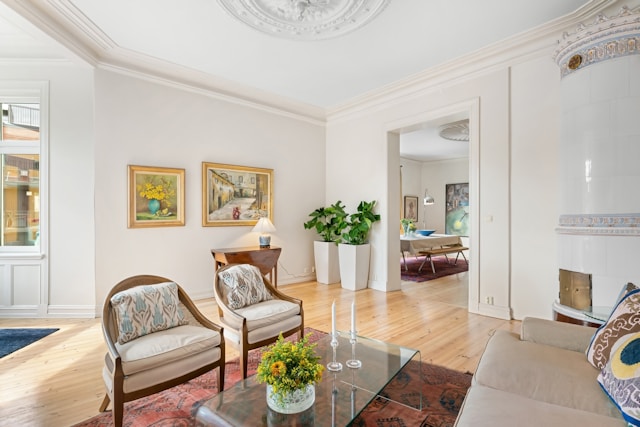
Choosing the ideal gray paint can feel surprisingly complex. With hundreds of shades available, each influenced by light and surroundings, the decision is rarely simple. This guide will walk you through a foolproof process to find a gray that complements your space, lighting, and personal style, ensuring a result you’ll love for years to come.
Key Takeaways
- Light is Everything: The type, direction, and amount of natural and artificial light in your room will dramatically alter how a gray paint appears.
- Master the Undertone: All grays have underlying colors (blue, green, violet, or brown). Identifying this is the single most important step in choosing a harmonious shade.
- Test Extensively: Never skip the step of sampling paint directly on your walls and observing it at different times of day.
- Consider the Mood: Lighter, cooler grays feel airy and modern, while darker, warmer grays create cozy, intimate spaces.
- Context is Key: Always select your paint in relation to fixed elements like flooring, cabinetry, and countertops.
Why Gray Is the Modern Neutral
Gray has dethroned beige as the go-to neutral for interior design, and for good reason. It provides a sophisticated, versatile backdrop that allows other elements in a room—art, furniture, textiles—to stand out. It can be both timeless and contemporary, acting as a quiet anchor or a bold statement. However, its versatility is also what makes selection challenging. A gray that looks serene and cool in a magazine might appear cold and sterile in your north-facing living room, or a warm gray might lean unexpectedly purple under your specific lighting.
Before you look at a single paint chip, you must become an expert on the light in your room. Light quality changes throughout the day and varies by compass direction.
- North-Facing Rooms: Receive cool, bluish light. To counterbalance the chill, lean toward grays with warm undertones (like greige—a gray-beige hybrid). Avoid stark cool grays, which can feel icy.
- South-Facing Rooms: Bathed in warm, yellow light for most of the day. These rooms can handle cooler gray tones without feeling cold. The abundant light will soften the shade.
- East-Facing Rooms: Get bright, warm light in the morning and cooler light in the afternoon. Test your samples at both times to see the transformation.
- West-Facing Rooms: Have cooler morning light and intense, warm afternoon sun. A neutral gray often works best here.
- Artificial Light: Note your bulb type. LED bulbs have a Kelvin rating; warmer bulbs (2700K-3000K) cast a yellow glow, while cooler bulbs (3500K+) cast a blue light. This will affect paint color at night.
Decoding Undertones: The Heart of the Matter
This is the master key to choosing the right shade of gray paint. Pure gray is a mix of black and white, but most paint colors add a minute amount of another color. This is the “undertone.” The most common are:
- Blue Undertones: Create a crisp, clean, and modern feel. They pair beautifully with white trim and cool-color accents.
- Green Undertones: Offer a subtle, organic, and calming vibe. They work well in spaces that connect to nature and with natural wood tones.
- Violet/Purple Undertones: Can feel sophisticated or, if not carefully balanced, unsettling. They often appear in lighter “lilac grays.”
- Brown Undertones (Greige): This is gray with beige or brown added. It feels warm, welcoming, and earthy. It’s extremely popular as it avoids the risk of feeling cold.
How to Spot the Undertone: Hold a pure white sheet of paper next to the paint chip. The comparison often reveals the hidden color. Also, look at the chip’s position on the fan deck; colors in the same vertical column share an undertone.
Phase 1: Preparation and Inspiration
Gather context before selecting colors.
- Identify Fixed Elements: List items that won’t change: flooring, tile, countertops, cabinetry, and large furniture pieces. Your gray must harmonize with these.
- Define the Desired Mood: Do you want the room to feel cozy and intimate or airy and expansive? Darker grays advance, making spaces feel cozier; lighter grays recede, making them feel larger.
- Gather Inspiration: Collect images of rooms you love. Note the lighting conditions in the photos. Look beyond wall color to see what they are paired with (wood tones, metals, fabrics).
Phase 2: Building Your Shortlist
Now, start selecting specific colors.
- Start with Fan Decks: View colors in your own home’s light. Never rely on the store display.
- Look at Multiple Shades: Pick 3-4 shades lighter and darker than your target. Paint always dries darker and more saturated than it appears on a tiny chip.
- Consider Sheen: Sheen affects color perception. Eggshell (low-luster) is standard for walls. Use satin or semi-gloss for trim. Remember, higher sheen makes color look slightly brighter and highlights imperfections.
Phase 3: The Essential Testing Process
Skipping this step is the most common regret.
- Buy Sample Pots: Invest in small samples of your top 3-4 choices.
- Paint Large Swatches: Apply two generous coats of each sample to a minimum 2′ x 2′ area on multiple walls (one in direct light, one in shadow). Never paint a small stripe.
- Observe for 48 Hours: Live with the samples. Look at them in morning, noon, evening, and artificial night light. See how they change. Place your fixed elements (a floor tile, a sofa fabric) next to the swatches.
- Eliminate as You Go: Discard any color that feels “off” at any time of day.
Phase 4: Final Considerations Before Painting
Make your final choice with confidence.
- The Final Check: Your chosen gray should look good in all lighting conditions and alongside your key room elements. It doesn’t have to be “perfect” in every light, but it should never turn a disagreeable color.
- Order Your Paint: Once decided, buy all the paint you need for the entire project at once, from the same store, to ensure batch consistency.
- Prepare Surfaces Properly: Ensure walls are clean, repaired, and primed. A good primer is essential, especially when covering dark colors or new drywall.
Pro Tips from Paint Professionals
Insider Advice for Flawless Results
- Sample on White: Always paint your samples over white primer or a white wall. Testing over an existing color will distort the new shade.
- Go Bigger: If you’re torn between two shades, go with the lighter one. It’s easier to add depth later with decor than to live with a color that’s overwhelming.
- The Trim Trick: For a seamless, elevated look, paint your trim and walls the same color but use a different sheen (e.g., walls in eggshell, trim in satin).
- Ceiling Strategy: To make a ceiling feel higher, paint it a shade or two lighter than the wall color. For a cozy, intimate feel, paint it the same color.
- Trust the Process: The perfect gray is the one that makes your space feel the way you want it to, regardless of trends.
Comparison of Popular Gray Paint Undertones
The table below categorizes popular gray paints by their dominant undertone to help guide your selection.
| Paint Color Name (Example Brands) | Dominant Undertone | Best For Rooms With | Creates This Mood |
|---|---|---|---|
| Repose Gray (SW) | Warm (Brown/Beige) | North-facing light; warm wood tones | Balanced, welcoming, versatile |
| Agreeable Gray (SW) | Warm (Greige) | Low light; traditional or modern spaces | Comfortable, serene, easy-living |
| Classic Gray (BM) | Neutral (Slight Violet) | Abundant natural light; soft color palettes | Soft, delicate, luminous |
| Stonington Gray (BM) | Cool (Blue) | South-facing light; crisp white trim | Clean, coastal, calm |
| Mindful Gray (SW) | Dark Warm (Greige) | Rooms with high ceilings or good light | Bold, cozy, grounded |
| Gray Owl (BM) | Cool (Green) | East/West light; natural elements (plants, stone) | Refreshing, subtle, organic |
Frequently Asked Questions
How do I stop my gray paint from looking blue or purple?
You are likely choosing a gray with a blue or violet undertone and placing it in light that amplifies that coolness. Switch to a gray with a warm, brown (greige) or green undertone to neutralize the effect. Always sample to confirm.
What is the most forgiving, versatile shade of gray?
Medium-toned “greige” paints (like Sherwin-Williams Repose Gray or Behr Silver Drop) are often considered the most versatile. They have enough warmth to avoid feeling cold in low light but remain neutral enough to work with most color schemes.
Can I use the same gray throughout my entire house?
Yes, using one gray throughout can create a cohesive, flowing feel. However, consider adjusting the shade for different light exposures. You might use the same color in all rooms, but in a north-facing room, you could use it at full strength, and in a south-facing room, you could have it mixed at 75% intensity to soften it.
Should I match my gray to my furniture or my flooring?
Prioritize your flooring, as it is a larger, fixed element. Your gray walls should harmonize with the floor’s undertones. Furniture and decor are easier to change and can be selected to complement your wall color once it’s established.
How do I choose a gray for a room with very little natural light?
In low-light rooms, avoid dark grays, which can feel cavernous. Choose a light-value gray with a warm undertone (a light greige). These reflect available light better and add warmth, preventing the space from feeling gloomy.
Is gray paint still in style, or is it trending out?
Gray remains a classic neutral foundation in interior design. While the trend for “all-gray everything” has softened, gray as a sophisticated, flexible wall color is enduring. The current trend leans toward warmer, earthier grays (greiges) over cool, stark grays.
Conclusion
Selecting the perfect gray paint is a methodical process of observation and testing, not mere guesswork. By understanding the profound impact of light, mastering the identification of undertones, and committing to thorough sampling, you move beyond the overwhelm of endless options. The right gray will unify your space, enhance its architecture, and provide a beautiful backdrop for your life. Remember, the goal is not to find the trendiest color, but the one that feels right in your home. With patience and this structured approach, you are equipped to make a confident and satisfying choice for your walls.
Leave a Reply