
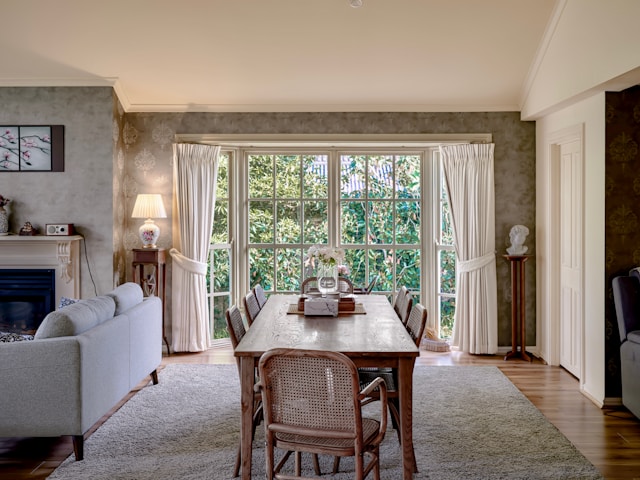
Welcoming a pet into your family brings immense joy, but it also introduces new considerations for your living space. Many homeowners believe they must sacrifice style for functionality, ending up with a house that feels more like a kennel than a sanctuary. This does not have to be the case. With thoughtful planning and smart design choices, you can create a home that is both beautiful and perfectly suited for your furry companions. This guide will provide you with the top 7 tips for creating a pet-friendly beautiful home, proving that comfort for your pets and chic design can seamlessly coexist.
Key Takeaways
- Prioritize performance fabrics like microfiber and tightly woven textiles that resist scratches, stains, and odors.
- Integrate smart storage for pet gear to reduce clutter and maintain a polished aesthetic.
- Choose flooring for both pet safety and easy cleanup, such as luxury vinyl plank or tile.
- Designate specific zones for eating, sleeping, and play to create order and routine.
- Always verify that plants, materials, and decor are non-toxic and safe for pets.
Tip 1: Choose Durable and Stylish Fabrics
The right fabric choice is your first line of defense in maintaining a beautiful home with pets. Avoid delicate materials like silk, velvet, or loose weaves, which are magnets for claws and hair.
- Performance Fabrics are Key: Look for crypton, microfiber, or tightly woven outdoor fabrics. These are engineered to be stain-resistant, moisture-repellent, and incredibly durable. They withstand accidents, muddy paws, and daily wear while feeling soft and looking sophisticated.
- Patterns and Colors: Medium-toned patterns can be a game-changer. A subtle geometric print, tweed, or a textured pattern in colors like charcoal, terra-cotta, or navy can cleverly disguise pet hair and minor scratches between cleanings.
- Removable and Washable: Embrace slipcovers. Modern slipcovers are sleek and tailored, not frumpy. Having a washable cover for your sofa or favorite armchair means any mess is a temporary inconvenience, not a disaster.
Tip 2: Implement Smart Storage Solutions
Pet supplies scattered everywhere can disrupt the calm of a well-designed room. Integrated storage is the secret to a clutter-free, pet-friendly beautiful home.
- Dedicated Pet Stations: Create a built-in nook in your mudroom or laundry area for food, bowls, and leashes. Include a pull-out drawer for food bins and hooks for leashes and bags.
- Toy Management: Use stylish baskets, decorative boxes, or a low cabinet to corral toys. This makes cleanup easy and keeps your living room from looking like a playpen.
- Furniture with Dual Purpose: Consider an elegant storage ottoman that holds blankets or toys, or a window seat with hinged lids for storing bulkier items like beds or grooming supplies.
Tip 3: Select Safe and Easy-to-Clean Flooring
Flooring takes the brunt of pet activity. The ideal choice balances paw-friendliness, scratch resistance, and simple maintenance.
- Top Contenders:
- Luxury Vinyl Plank (LVP): The champion of pet-friendly flooring. It’s waterproof, highly scratch-resistant, soft underfoot, and comes in realistic wood and stone looks.
- Tile: Porcelain or ceramic tile is impervious to moisture and scratches. Use larger tiles with a textured finish to minimize grout lines and provide traction. Area rugs can add warmth.
- Engineered Hardwood: More stable than solid hardwood, it better resists moisture-related warping. Choose a species with a high Janka hardness rating (like oak) and a matte finish to hide scuffs.
- Avoid: Wall-to-wall carpet (traps odors, hair, and stains) and glossy, slippery surfaces, which can be hazardous for running pets.
Tip 4: Create Dedicated Pet Zones
Giving your pet their own assigned spaces helps contain mess, establishes routine, and gives them a sense of security, all contributing to a more peaceful home.
- The Feeding Station: Elevate food and water bowls in a quiet corner of the kitchen to improve pet posture and prevent spills on your floor. A tray or mat underneath catches stray kibble.
- The Resting Nook: Place comfortable beds in corners of the living room and bedroom. Don’t just choose function; select beds with covers that match your decor and are machine-washable.
- The Play and Scratch Area: For cats, position sturdy, attractive scratching posts (sisal, not carpet) near their favorite lounging spots. For dogs, ensure a clear pathway for indoor fetch that is away from breakables.
Tip 5: Opt for Pet-Safe Plants and Decor
Beauty should not come with risk. Many common houseplants and decor items can be toxic if chewed on by curious pets.
- Safe Plant Alternatives: Swap out dangerous lilies, sago palms, and pothos for non-toxic options like spider plants, Boston ferns, African violets, or orchids. Always display plants out of reach if your pet is a known nibbler.
- Secure Your Decor: Avoid fragile tabletop decor that can be knocked over. Use museum putty to secure vases or sculptures. Choose weighted or wall-mounted candle holders instead of freestanding ones.
- Window Safety: Ensure blinds with cords are safely tucked away or opt for cordless shades to prevent strangulation hazards.
Tip 6: Manage Odors and Air Quality
A fresh-smelling home is integral to its beauty. Proactive strategies prevent “pet smell” from becoming a permanent fixture.
- Grooming is Fundamental: Regular brushing reduces shedding and dander. Establish a routine for bathing and paw-wiping, especially after outdoor adventures.
- Clean Accidents Properly: Use enzymatic cleaners specifically designed for pet stains. They break down the organic matter that causes lingering odors, unlike standard cleaners which may just mask them.
- Air Purification: Invest in a high-quality HEPA air purifier. It captures airborne dander, hair, and dust, significantly improving air quality for everyone in the household.
Tip 7: Secure Your Space for Safety
A safe pet is a happy pet, and a secure home is a serene one. Take steps to pet-proof your environment.
- Trash and Cabinet Security: Use trash cans with locking lids and consider childproof latches on lower cabinets, especially where cleaning supplies or food are stored.
- Cord and Wire Management: Bundle loose electrical cords with cord wraps or conceal them behind furniture to prevent chewing.
- Balcony and Window Guards: If you have high balconies or open windows, install secure screens or barriers to prevent falls.
How-To Checklist for a Pet-Friendly Home Makeover
Follow this step-by-step list to transform your space.
- Audit for Hazards: Walk through each room on pet-level (hands and knees!) to identify chewable cords, toxic plants, or unsecured items.
- Plan Your Zones: Decide on locations for feeding, sleeping, and playing for each pet.
- Select and Shop for Key Materials: Order samples of flooring and fabrics. Test them for scratch resistance and cleanability.
- Invest in Core Furniture: Start with one durable, performance-fabric sofa or chair and a washable pet bed.
- Install Storage Solutions: Set up hooks, baskets, and bins for leashes, toys, and food.
- Implement Safety Measures: Secure trash, manage cords, and confirm all plants are non-toxic.
- Establish a Cleaning Routine: Place enzymatic cleaner, grooming tools, and an air purifier in strategic locations.
Expert Tips for a Harmonious Living Space
- “Always choose texture over sheen,” says interior designer Maria Costa. “A matte or lightly textured surface on floors and furniture will hide everyday scuffs and pet marks infinitely better than a glossy one.”
- “Think vertically,” suggests animal behaviorist Dr. Liam Chen. “Cats, in particular, feel secure when they can survey their territory. Wall-mounted shelves or a tall, sturdy cat tree can satisfy this need without taking up much floor space.”
- “Your home should tell your story, including the chapter with your pet,” notes home stylist Elena Rodriguez. “Incorporate their personality. Frame a cute photo, use a vintage bowl as a water dish, or choose a toy basket that complements your color scheme.”
Pet-Friendly vs. Traditional Home Materials: A Comparison
| Feature | Pet-Friendly Recommendation | Traditional / Risky Choice | Why It’s Better for Pets |
|---|---|---|---|
| Sofa Fabric | Crypton, Microfiber, Tight Weave | Linen, Silk, Chenille | Stain-resistant, scratch-resistant, easy to clean. |
| Flooring | Luxury Vinyl Plank, Tile | Wall-to-Wall Carpet, High-Gloss Hardwood | Waterproof, scratch-resistant, easy to sanitize. Provides traction. |
| Window Treatments | Cordless Shades, Simple Panels | Long Cord Blinds, Delicate Sheers | Eliminates strangulation risk, less tempting to climb. |
| Plants | Spider Plant, Boston Fern, Orchid | Lily, Pothos, Sago Palm | Non-toxic if ingested by cats or dogs. |
| Decor | Weighted Bases, Secure Mounts | Lightweight Knick-Knacks, Wobbly Lamps | Less likely to be knocked over and broken, preventing injury. |
Frequently Asked Questions (FAQ)
Q: How can I keep my home from smelling like a pet?
A: The key is prevention and the right tools. Groom your pet regularly to reduce dander, clean accidents immediately with an enzymatic cleaner, wash pet bedding weekly, and use an air purifier with a HEPA filter to capture airborne particles.
Q: What is the absolute best type of flooring for dogs and cats?
A: Luxury Vinyl Plank (LVP) is widely considered the top choice. It is completely waterproof, highly resistant to scratches from claws, comfortable for pets to walk on, and easy to clean. It also comes in a vast array of designs to suit any decor.
Q: Are there any stylish couches that are actually pet-proof?
A: Yes. Look for sofas upholstered in performance fabrics like Crypton, Sunbrella, or Revolution. These are designed to be stain, odor, and moisture-resistant. Choose a medium-dark color or a pattern, and consider a style with removable, washable cushion covers for extra peace of mind.
Q: How do I stop my cat from scratching the furniture?
A: Provide more appealing alternatives directly next to the furniture they target. Use sturdy, tall scratching posts covered in sisal rope. Encourage use with catnip and praise. For persistent spots, temporarily apply double-sided tape or a clear plastic scratcher guard to the furniture corner.
Q: What are some common household items that are toxic to pets?
A: Many everyday items are dangerous. These include certain plants (lilies, azaleas), foods (chocolate, xylitol, grapes), medications, antifreeze, and some essential oils. Always research before bringing a new plant or product into your home and keep hazardous items securely stored.
Conclusion
Creating a home that welcomes both your family and your pets without compromising on style is entirely achievable. It requires mindful material choices, clever storage, and a focus on safety and cleanliness. By following these seven strategic tips, from selecting indestructible fabrics to establishing orderly pet zones, you build a foundation for a harmonious and beautiful living environment. Remember, the goal of these top 7 tips for creating a pet-friendly beautiful home is to design a space where every member of the family, on two legs or four, can relax and thrive together in comfort and style.


Leave a Reply