
Key Takeaways
- Use lighting and mirrors to create the illusion of width and depth.
- Choose furniture with legs and a light visual weight to enhance airflow.
- A cohesive, light color palette is your most powerful tool for opening up the space.
- Define separate zones for different activities to maximize functionality.
- Vertical storage and strategic decor draw the eye upward, balancing the room’s proportions.
Decorating a narrow living room layout presents a unique challenge: how to create a feeling of width, balance, and cozy functionality in a long, slender space. The goal is to counteract the “hallway effect” and transform the room into a welcoming, stylish area perfect for relaxing and entertaining. With thoughtful planning and smart design strategies, you can turn your narrow living room into one of your home’s greatest assets. These top 7 tips for decorating a narrow living room layout will guide you through maximizing space, light, and style.
1. Embrace a Light and Cohesive Color Palette
Color is your first and most powerful tool in visually reshaping a room. A light, monochromatic, or tonal color scheme works wonders in a narrow space.
- Stick to Light Hues: Whites, soft creams, pale grays, and gentle pastels on walls, ceilings, and large furniture pieces reflect light, making the room feel airier and more open. Painting trim and molding a slightly lighter shade than the walls can further blur boundaries.
- Cohesion is Key: Using similar colors throughout the space helps it feel unified and less choppy. Avoid drastic color contrasts on opposing long walls, as this can emphasize the narrowness.
- Strategic Accents: Introduce color and personality through accessories like throw pillows, art, and rugs. Keeping the large surfaces neutral allows you to change your accent colors easily with the seasons.
2. Rethink Your Furniture Layout and Scale
Forget pushing all furniture against the walls. This common mistake often creates a barren “bowling alley” feel down the center.
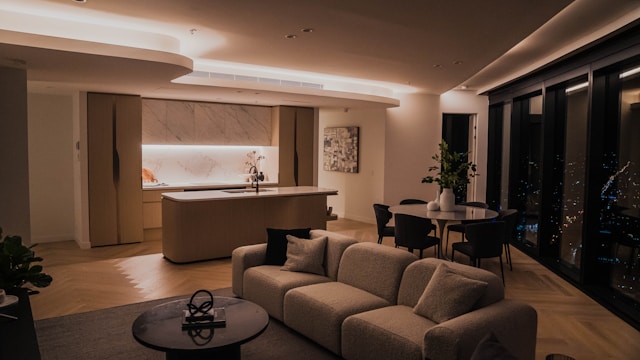
- Float Your Furniture: Pull key pieces like sofas or chairs away from the walls. Arranging seating in a perpendicular or angled configuration breaks up the long sight lines and encourages conversation.
- Utilize the Center: A well-placed area rug can anchor a floating furniture grouping, defining a cozy zone in the middle of the room.
- Mind the Walkway: Ensure a clear, comfortable traffic path (at least 2-3 feet wide) along one side of the room. This flow is essential for making the space feel effortless to navigate.
3. Choose the Right Furniture: Legs, Lines, and Low Profiles
The form of your furniture dramatically impacts the perceived space.
- Furniture with Legs: Choose sofas, chairs, and consoles with exposed legs. This elevates pieces off the floor, allowing light to pass underneath and creating a sense of visual lightness and air flow.
- Low-Slung and Linear: Opt for lower-profile furniture (e.g., a sofa with a lower back) to keep the sightline open. Clean, linear shapes are often more space-efficient than bulky, overstuffed ones.
- Scale Appropriately: A massive sectional will overwhelm a narrow room. Choose a love seat instead of a full sofa, or use a pair of slim armchairs. Measure carefully before you buy.
4. Create Defined Zones for Function
A long room is an opportunity to create multiple functional areas, making the space more dynamic and useful.
- Divide and Conquer: Think of your room in 2-3 zones: a primary seating area for TV/viewing, a secondary reading nook by a window, and perhaps a small game or desk area at the far end.
- Use Furniture as Room Dividers: A console table placed behind a sofa, a low bookshelf, or a strategically positioned armchair can subtly signal a transition from one zone to another without blocking light.
- Rugs Define Spaces: Use different (but complementary) area rugs to define each zone. This visually breaks the long floor plane into manageable, purpose-driven sections.
5. Implement Clever and Vertical Storage Solutions
Clutter is the enemy of small spaces. Smart storage keeps surfaces clear and the room feeling open.
- Go Vertical: Install floating shelves or tall, narrow bookcases that draw the eye upward. This utilizes wall space without encroaching on precious floor area.
- Multifunctional Furniture: Invest in pieces that offer hidden storage: an ottoman with a lift-up lid, a coffee box with drawers, or a bench with storage inside.
- Built-In Advantage: Consider built-in shelving or cabinets along the shorter end wall. This creates a clean, streamlined look and provides ample storage without protruding into the room.
6. Use Lighting Strategically to Expand Space
A single overhead light casts harsh shadows and does little for a narrow room. A layered lighting plan is essential.
- Layer Your Light: Combine ambient (general), task (focused), and accent (decorative) lighting.
- Draw the Eye Laterally: Use wall sconces, picture lights, or a series of pendant lights along the long walls to spread light horizontally, making the room feel wider.
- Utilize Corners: Place floor lamps in dark corners to eliminate shadowy pockets and make the room feel larger and more inviting.
7. Incorporate Mirrors and Reflective Surfaces
This is a classic designer trick for a reason. Mirrors effectively double visual space.
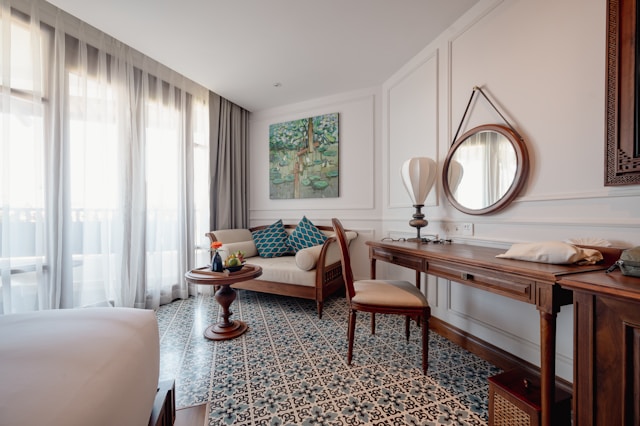
- Strategic Placement: Hang a large mirror on a short wall or above a mantel to create the illusion of depth. Placing a mirror directly opposite a window is especially effective, as it reflects the outdoor view and amplifies natural light.
- Reflective Accents: Incorporate other reflective materials like glass coffee tables, metallic lamp bases, or high-gloss acrylic accessories. These pieces catch and bounce light around the room.
Conclusion
Transforming a narrow living room from a challenge into a charmer is entirely achievable with a thoughtful, strategic approach. By focusing on light colors, appropriately scaled and placed furniture, clever zoning, and reflective elements, you can visually widen the space and enhance its functionality. Remember, the goal is to create a room that feels balanced, inviting, and uniquely suited to your lifestyle. Start with a plan, embrace these principles, and enjoy the process of decorating your narrow living room layout into a beautiful and efficient haven.
Frequently Asked Questions
What is the best way to arrange seating in a narrow living room?
Avoid lining all seating against the long walls. Instead, float a sofa or love seat perpendicular to the long walls, with chairs opposite or angled toward it. This creates a conversational grouping that breaks up the tunnel-like feel and makes the room feel wider.
Should I use a large area rug in a narrow room?
Yes, but choose wisely. A large rug that fits under all key furniture in a seating zone can anchor and unify the space. Ensure it’s proportionate to your furniture grouping, not necessarily the entire room’s length, and leave a consistent border of flooring visible around the edges.
What color should I paint a narrow living room to make it look wider?
Opt for light, cool, and neutral colors like soft white, pale gray, or light beige for your walls and ceiling. These hues recede visually, making surfaces seem farther apart. For an even greater effect, use a similar color on walls, trim, and large furniture.
Can I use dark colors in a narrow living room?
You can use dark colors strategically, but avoid them on the long walls. A dark accent on the short, far wall can make it feel closer, visually squaring off the room. Dark colors can also be used successfully in accessories, artwork, or a single statement furniture piece.
How do I handle a TV in a narrow layout?
Mount the TV on the wall or place it on a low, long media console on a short wall. Avoid large, deep entertainment centers that jut out. Ensure seating is arranged at a comfortable viewing angle, which often works well when floating in the room’s center.
Pro Tips from Interior Designers
- The Runner Rug Trick: Use a long, narrow runner rug along the side of the room to define a walkway, not a large area rug that emphasizes the length.
- Stripes Can Work: If using a patterned rug, choose one with stripes that run perpendicular to the long walls (width-wise) to visually stretch the room sideways.
- Greenery for Depth: A tall, vertical plant like a fiddle-leaf fig in a corner adds life and draws the eye up, while the organic shape softens the room’s linearity.
- Curve Appeal: Introduce one piece with a soft curve, like a round coffee table or an oval mirror. This counteracts the hard lines of the room and feels more inviting.
- Glossy Finish: Consider a satin or semi-gloss paint finish for walls. It reflects more light than flat matte, adding to the sense of spaciousness.
Comparison Table: Layout Styles for Narrow Rooms
| Layout Style | How to Implement | Best For | Visual Effect |
|---|---|---|---|
| Floating Perpendicular | Place main sofa/seating perpendicular to long walls, facing inward. | Rooms with access from both ends; creating a central conversation pit. | Most effective at breaking the “hallway” illusion; defines clear zones. |
| Dual-Zone Split | Divide the room into two distinct areas (e.g., living area and reading/office area). | Long rooms that need multiple functions; families. | Maximizes utility, makes the room feel like two cozy spaces instead of one long one. |
| Symmetrical Balance | Use pairs of furniture (two sofas, two chairs) facing each other along the length. | Formal spaces; creating a balanced, orderly look. | Emphasizes the room’s length in a structured, elegant way. |
| Angled Arrangement | Place key furniture pieces at a 45-degree angle to the walls. | Breaking up very boxy, rigid spaces; adding dynamic energy. | Softens corners, creates interesting negative space, and can improve flow. |
Leave a Reply