
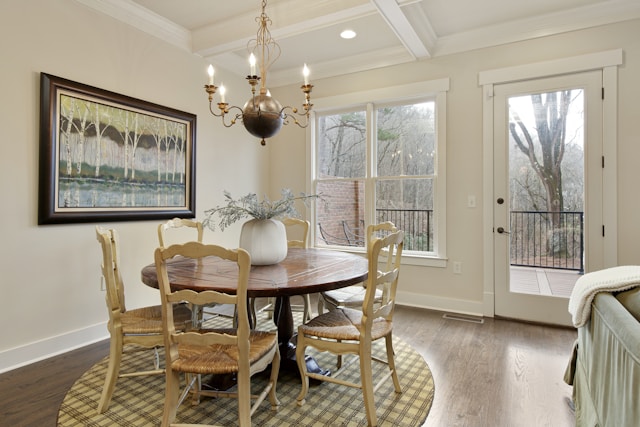
Key Takeaways
- A sterile new build is a blank canvas requiring both immediate inspections and thoughtful personalization to become a home.
- Prioritizing a “snagging list” of construction flaws is crucial for securing builder warranties and preventing future issues.
- Strategic planning for storage, smart home technology, and energy efficiency from day one saves time and money later.
- Building routines for maintenance and deepening your connection to the space are key to transforming a house into a cherished home.
Moving into a brand new, never-lived-in home is a unique experience. While the pristine surfaces and untouched floors are exciting, the sheer emptiness can also feel daunting. This guide is your comprehensive roadmap for what to do when you move into a sterile new build. We’ll walk you through essential checks, creative personalization steps, and the foundational systems to ensure your new house becomes a functional, comfortable, and deeply personal home.
Phase 1: The Immediate Move-In Inspection & Action Plan
Before you unpack a single box, dedicate time to a meticulous inspection. Your builder’s warranty is your most valuable asset in these first days and weeks.
Create a Detailed Snagging List
A “snag” is a minor defect or unfinished item from the construction process. Your first task is to document every single one.
- Systematically Room-by-Room: Start at the front door and move methodically. Check walls for paint drips, scuffs, or uneven finishes. Inspect floors for scratches, uneven tiles, or grout issues.
- Test All Fixtures: Run every tap, flush every toilet, and check for leaks under sinks. Turn on and off all light switches, dimmers, and power outlets (use a phone charger to test).
- Door and Window Operation: Open and close all windows and doors. Check locks, handles, and seals for smooth operation.
- Appliance Function: Run the dishwasher, oven, and hob on a quick cycle. Test the heating and air conditioning system.
- Document Visually: Take clear, dated photos and videos of each snag. Compile them into a formal document with room names and issue descriptions.
Pro Tip: Submit your snagging list to the builder in writing (email is perfect) within your warranty period’s specified timeframe, usually 7-30 days. This creates a formal record.
Utilities and Service Set-Up
Ensure all essential services are correctly transferred and functioning.
- Confirm meter readings with utility providers the day you get keys.
- Locate your main water shut-off valve, electrical panel, and gas shut-off (if applicable).
- Label the circuits in your electrical panel as you discover what each switch controls.
- Register all appliances and systems for their manufacturer warranties.
Phase 2: Foundational Systems and Safety
With the initial inspection done, focus on the unseen systems that protect your home and family.
Deep Clean and Air Quality
Construction dust is pervasive. It hides in ducts, behind cabinets, and on top of cupboards.
- Ventilation: Before you fully move in, change the HVAC filter. Consider having the ducts cleaned professionally to remove construction debris.
- Thorough Cleaning: Wipe down all walls, shelves, and inside cabinets. Vacuum and mop all floors. This removes dust and provides a truly fresh start.
- Air Out: Open windows daily for the first few weeks to off-gas any volatile organic compounds (VOCs) from paints, adhesives, and new materials.
Security and Safety Foundations
A new build may have standard locks and minimal security.
- Re-key or Replace Locks: For ultimate peace of mind, have all exterior door locks re-keyed or replaced. You never know who might have a key from the construction phase.
- Smoke and Carbon Monoxide Detectors: Test every detector. Know their locations and beep codes. Create a fire escape plan.
- Home Security Assessment: Decide on a system, whether it’s smart cameras, an alarm system, or simply motion-sensor lights. Installing wiring or mounts before decorating is easier.
Phase 3: Personalization and Making Your Mark
This is where you transform the sterile space into a reflection of your personality.
Strategic Storage and Layout Planning
Resist the urge to simply unpack. Think about your daily flow.
- Function-First Unpacking: Unpack kitchen essentials and bedrooms first. Leave decorative items for last.
- Zoning: Define areas in open-plan spaces using rugs, furniture arrangement, or lighting.
- Storage Solutions: Note where you naturally pile items in the first month. These are spots that need built-in or freestanding storage solutions.
How-To: Develop Your Home’s Character in 5 Steps
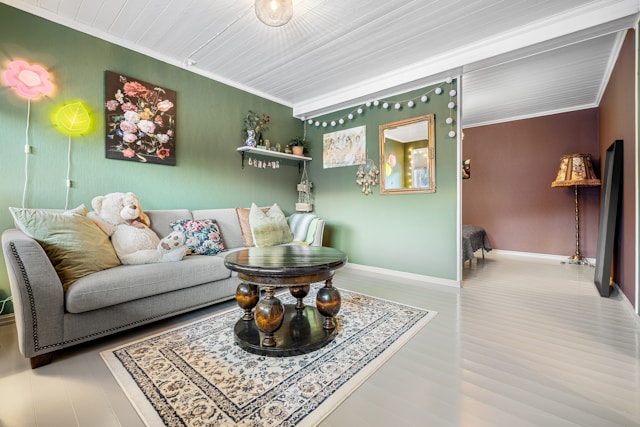
- Start with a Single Focal Point: Choose one element you love—a bold paint color for one wall, a statement light fixture, or a large piece of art. Build the room’s palette around it.
- Layer Your Lighting: Overhead lighting alone feels clinical. Add table lamps, floor lamps, and dimmer switches to create warmth and ambiance.
- Incorporate Natural Elements: Plants, wood accents, stone, or woven textiles instantly add life, texture, and warmth to sterile spaces.
- Create a Memory Wall: Dedicate a staircase wall or hallway to framed photos, art, and souvenirs. It personalizes the space instantly.
- Focus on Soft Furnishings: Curtains, cushions, and throws are the fastest, most cost-effective way to add color, pattern, and coziness.
Smart Home and Energy Efficiency Upgrades
Doing this early is far easier than retrofitting later.
- Thermostat: Install a programmable or smart thermostat to manage your new HVAC system efficiently.
- Lighting: Consider smart bulbs or switches for main living areas.
- Energy Audit: Some utilities offer free audits. Use them to identify if additional insulation or sealing is needed, even in a new home.
Phase 4: Building Routines for Long-Term Care
Protect your investment by establishing good habits from the beginning.
Exterior and Grounds Attention
Don’t neglect the outside.
- Landscaping Schedule: Understand the watering needs of new sod or plants. Plan for seasonal garden care.
- Gutter Cleaning: Even new builds need gutters cleared of leaves and construction debris to prevent water damage.
- Sealant Checks: Annually inspect and refresh exterior sealants around windows and doors to prevent drafts and moisture intrusion.
Seasonal Maintenance Checklist
✓ Spring: Service air conditioning unit, check irrigation system.
✓ Summer: Inspect exterior paint/siding, clean deck/patio.
✓ Fall: Service heating system, clean gutters, drain outdoor faucets.
✓ Winter: Check for ice dams, ensure pipes are insulated, test generators.
Expert Tips for a Seamless Transition
Pro Advice from Sarah Chen, Certified Home Inspector: “New builds settle significantly in the first 12-18 months. This is normal, but it can cause cracks (nail pops in drywall, hairline cracks in corners). Don’t panic and patch them immediately. Wait until after the first full heating cycle, then do a comprehensive repair. This prevents you from having to do the job twice. Also, photograph your home’s exterior and interior annually—it’s invaluable for insurance purposes and tracking settlement.”
Priority Task Comparison Table
| Task Category | Immediate (Week 1) | Short-Term (Month 1-3) | Long-Term (Year 1) |
|---|---|---|---|
| Documentation | Create snagging list; register warranties | Follow up on snagging repairs | Compile all manuals/warranties |
| Safety | Test smoke/CO detectors; find shut-offs | Re-key locks; install security | Review & practice emergency plans |
| Comfort | Deep clean; change HVAC filter | Personalize decor; layer lighting | Upgrade insulation/window treatments |
| Maintenance | Label circuit breaker | Establish lawn/garden care | Schedule professional HVAC service |
| Efficiency | Take utility meter readings | Install smart thermostat | Conduct full home energy audit |
Conclusion: From Sterile Space to Sanctuary
The journey from a blank, sterile structure to a warm, inviting home is a process of careful inspection, intentional action, and personal expression. By methodically addressing construction details, establishing robust systems for safety and maintenance, and infusing the space with elements that reflect your story, you build more than just a house—you create a foundation for your future. Remember, the steps you take when you move into a sterile new build set the stage for years of comfort, security, and cherished memories within your personal sanctuary.
Frequently Asked Questions (FAQ)
How long should I wait before painting the walls in my new build?
It’s advisable to wait at least 3-6 months, or through one full seasonal cycle. This allows the plaster and drywall to fully dry and settle, minimizing the risk of new cracks appearing shortly after you paint.
What are the most commonly missed items on a snagging list?
Check inside all cabinets for lining or shelf damage, test all drainage for speed, inspect exterior brickwork or siding for chips, and ensure all sealing around baths, sinks, and windows is smooth and complete.
Is a professional snagging survey worth the cost?
For significant investment or if you lack confidence in spotting construction issues, a professional survey can be valuable. They have expertise to spot hidden problems you might miss, potentially saving money on future repairs.
When should I first service my new boiler and HVAC system?
Even though they are new, follow the manufacturer’s recommendation, usually an annual service. Schedule the first service before the one-year warranty ends to ensure optimal performance and maintain validity.
Can I make structural changes to a new build home immediately?
Consult your builder’s warranty documents first. Some structural elements may be covered, and unauthorized alterations could void parts of your warranty. Always seek structural engineering advice before any modifications.





Leave a Reply