
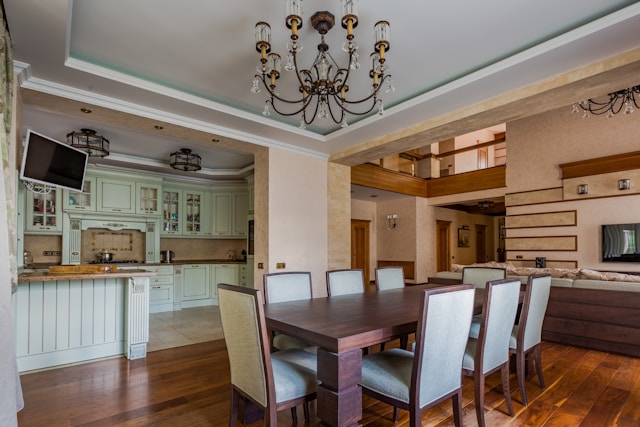
Living with minimal vertical space can feel confining, but it presents a unique opportunity to get creative with your interior design. A home with limited height does not mean you have to compromise on style or comfort. With thoughtful planning and strategic design choices, you can transform the feeling of your space, making it appear brighter, more open, and intentionally cozy. The key is to work with your architecture, not against it, using optical illusions, smart furniture choices, and a refined color palette to draw the eye and maximize the potential of every square foot. This guide will walk you through practical and aesthetic solutions to turn this challenge into your home’s most charming asset.
The First Step
Before purchasing a single gallon of paint, take time to analyze your rooms. Measure the exact ceiling height and note the locations of all architectural features: doors, windows, beams, air vents, and light fixtures. Observe how light travels through the space at different times of day. Understanding these constraints is crucial for making informed design decisions. A room with a large north-facing window has different potential than a room with small southern exposures. This initial audit will help you prioritize which strategies—like emphasizing vertical lines or installing strategic lighting—will have the greatest impact in your specific environment.
Color and Paint: Your Most Powerful Tool
Color is the most effective way to manipulate the perception of space.
- Ceiling Color: Forget the white ceiling rule. The classic advice of painting ceilings white to “raise” them can actually create a sharp contrast that emphasizes the low boundary. Instead, try painting the ceiling the same color as the walls, or even a shade or two lighter. This monochromatic scheme blurs the lines between wall and ceiling, making the ceiling’s exact height less discernible.
- Wall Color: Opt for light, reflective colors. Soft whites, pale grays, light blues, and gentle creams help reflect light, making walls feel less solid and imposing. If you desire a darker color, consider an accent wall or use darker tones on built-ins or furniture, keeping the main surfaces light.
- The Fifth Wall: Remember, the ceiling is your fifth wall. Using a gloss or semi-gloss paint on the ceiling can increase light reflection, adding a subtle sense of airiness that flat paint cannot achieve.
Lighting Strategies to Elevate the Room
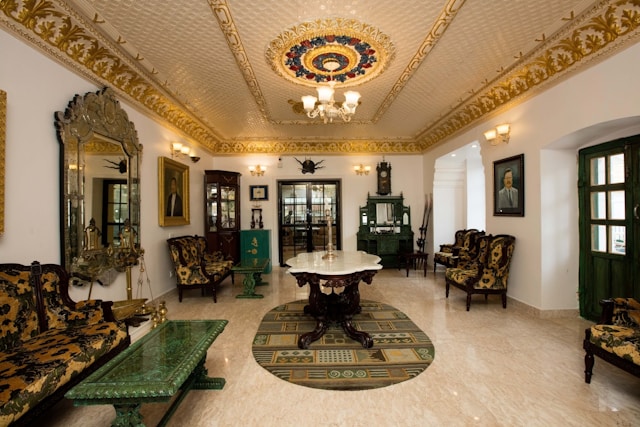
Overhead lighting, especially pendant lights or chandeliers that hang down, can immediately remind you of the low ceiling. Rethink your lighting layout entirely.
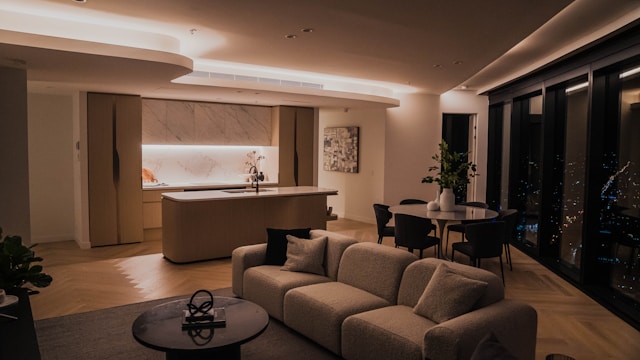
- Recessed Lighting: Install canless, ultra-thin recessed LED lights. They sit flush with the ceiling, providing ample ambient light without any visual intrusion.
- Track Lighting: Modern, slim track lighting directed at walls or artwork can wash walls with light, creating a vertical glow that draws the eye upward.
- Embrace Vertical Light: Use tall, statement floor lamps and strategic table lamps. Light placed at eye level and below illuminates the living space beautifully and encourages the eye to travel around the room horizontally, not focus on the overhead plane.
- Wall Sconces: These are ideal as they take up zero floor or table space and cast light both up and down, creating beautiful vertical streaks that enhance the feeling of height.
Strategic Furniture Selection and Placement
Furniture can either anchor a room or make it feel cluttered. Choose pieces that complement a low-ceiling environment.
- Low-Profile Furniture: Select sofas, beds, and chairs with lower backs and clean lines. Furniture that sits closer to the ground makes the ceiling feel farther away by comparison.
- Expose Legs: Choose sofas, armchairs, and tables with exposed legs. This visible space underneath furniture allows light and sight lines to travel through, enhancing a sense of openness.
- Scale is Key: Avoid oversized, bulky sectionals or towering armoires. Opt for pieces that are proportional to the room’s size. Multiple smaller-scale pieces often work better than one massive one.
- Placement Perfection: Arrange furniture to promote easy flow. Pull larger pieces away from walls slightly to create depth. Use area rugs to define spaces without adding visual weight to the upper half of the room.
Window Treatments and Vertical Lines
This is a critical area for creating the illusion of height.
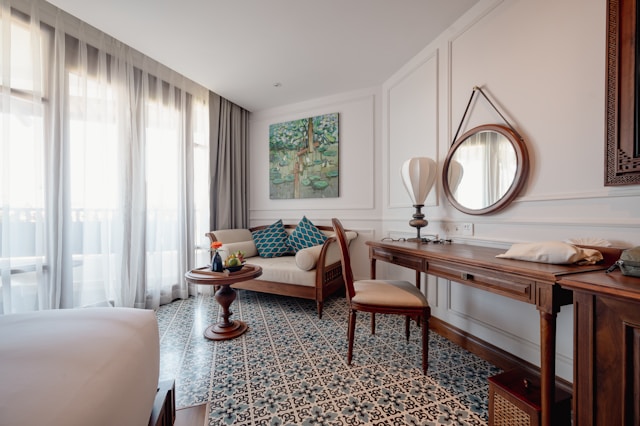
- Hang High and Wide: Install curtain rods close to the ceiling line, not just above the window frame, and extend them several inches beyond the window’s width on each side. When curtains are drawn, they will create a long, vertical line from near the ceiling to the floor.
- Choose Long Panels: Curtains should ideally “kiss” the floor or have a slight break. This uninterrupted vertical line is a powerful tool for tricking the eye into perceiving greater height.
- Style Matters: Avoid heavy, ornate valances or short café curtains which cut the window off horizontally. Opt for simple, floor-length panels in light fabrics like linen or cotton.
Decor and Artwork: Guiding the Eye Upward
Your accessories and art should reinforce the goal of verticality.
- Vertical Artwork: Choose artwork that is vertically oriented—a tall, narrow painting or a series of smaller pieces hung in a vertical column. This directly leads the eye on an upward journey.
- Tall, Slim Decor: Incorporate tall, slender decorative objects like floor vases, sculptures, or a grand piano lamp. A bookshelf filled vertically draws the eye up.
- Mirror Magic: Strategically placed tall, vertical mirrors double light and create an illusion of depth. Lean a full-length mirror against a wall or hang a tall mirror to reflect a window or interesting part of the room.
Architectural Tweaks and Clever Illusions
For those willing to undertake small renovations, these changes can be transformative.
- Trim and Molding: Install vertical board and batten, shiplap, or simple trim work that runs from floor to ceiling. This creates strong, repeated vertical lines. Avoid horizontal chair rails which do the opposite.
- Doorways: Extend door frames all the way to the ceiling. This simple architectural change makes doors feel grander and pulls vision upward.
- Beam Strategy: If you have exposed beams, painting them the same color as the ceiling (rather than a contrasting color) will make them recede, minimizing their bulk.
Embracing the Cozy: When to Lean In
Not every solution needs to fight the architecture. Sometimes, the most successful approach is to embrace the intimate scale.
- Create a Cocoon: Use warm, rich, dark colors on walls and ceiling to create a snug, enveloping feel perfect for a library, media room, or bedroom. This intentional approach feels sophisticated, not cramped.
- Focus on Texture: In a monochromatic, low-ceilinged space, layer textures—knit throws, woven baskets, velvet pillows, a wool rug—to add immense visual interest and comfort at eye level.
- Define a Purpose: A low-ceilinged nook becomes the perfect reading corner or window seat. The scale naturally feels protective and private.
Room-by-Room Action Plan
Living Room: Low-profile sectional, recessed lighting, tall floor lamp, vertically hung gallery wall, curtains hung at ceiling height.
Bedroom: A platform bed, low headboard, wall sconces for bedtime reading, a light-colored rug, and a mirror leaning against the wall.
Kitchen: Open shelving (instead of top cabinets), under-cabinet lighting, a glossy ceiling, and a cohesive color scheme on walls, cabinetry, and ceiling.
Hallway: A runner rug, a long line of family photos hung at a high level, glossy paint, and several ceiling-mounted downlights.
Key Takeaways
- Paint ceilings the same color as walls, or a lighter shade, to blur the boundary line.
- Use lighting at eye-level (lamps, sconces) and avoid hanging pendants; opt for recessed lighting instead.
- Choose low-profile furniture with exposed legs and arrange it to maintain clear walkways.
- Install window treatments high and wide, using floor-length panels to create strong vertical lines.
- Incorporate decor that draws the eye upward, like tall mirrors, vertical artwork, and slim floor decor.
Expert Tips
Pro Tip from an Interior Designer: “The single best investment in a low-ceilinged room is proper, multi-layered lighting. Ditch the single overhead fixture. Combine recessed ambient lights with 3-4 sources of warm, lower-level light from floor lamps, table lamps, and sconces. This pools light where you live and completely distracts from the ceiling height, creating a far more inviting atmosphere.”
Visual Strategy Comparison
| Strategy | Do’s | Don’ts |
|---|---|---|
| Color | Paint ceiling & walls same color. Use light, reflective hues. | Create high contrast between wall and ceiling. Use dark colors on ceiling. |
| Lighting | Use recessed lights, wall sconces, tall floor lamps. | Use hanging pendant lights or chandeliers. Rely on a single central fixture. |
| Furniture | Select low-profile pieces with exposed legs. Choose scaled-down items. | Buy high-back overstuffed sofas. Use bulky, solid-base furniture. |
| Window Dressings | Hang rods near ceiling. Use long, vertical panels. | Install short curtains or heavy valances. Hang rods just above window frame. |
| Decor | Hang vertical artwork. Use tall mirrors and slender decor. | Hang wide, horizontal art. Use lots of small, scattered knick-knacks. |
Conclusion
A home with limited vertical space is not a design flaw but a design direction. By employing optical illusions with color and lines, rethinking your lighting approach, and carefully selecting furnishings, you can create a space that feels open, airy, and intentionally styled. The goal is to craft a home that feels expansive and comfortable, drawing attention to its strengths and character. Remember, the most successful interiors are those that respond thoughtfully to their unique architectural conditions, turning perceived limitations into distinctive style.
Frequently Asked Questions
What color should I paint a very low ceiling?
Contrary to tradition, avoid stark white. Paint it the same color as your walls, or a slightly lighter tint of the wall color, to minimize contrast and make the ceiling line less definite.
Are there any types of lighting fixtures I should absolutely avoid?
Yes, avoid any fixture that hangs down significantly, such as chandeliers, pendant lights, or ceiling fans with low-hanging lights. These physically and visually occupy the precious space between your head and the ceiling.
Can I use patterns in a room with low ceilings?
Yes, but choose patterns wisely. Vertical stripes are excellent. If using a large-scale pattern, ensure it has a vertical orientation. Avoid large, busy horizontal patterns which will widen the room visually and further emphasize the low height.
Is it okay to use area rugs?
Absolutely. Area rugs are great for defining spaces. Choose lighter-colored rugs to keep the floor plane feeling open, and ensure furniture sits on the rug comfortably to create a cohesive, anchored look.
Should I avoid tall bookshelves entirely?
Not at all. A tall, floor-to-ceiling bookshelf is a perfect way to add vertical emphasis. Just keep it orderly and avoid overstuffing the top shelves, which can look heavy. Painting it the same color as the wall can help it blend seamlessly.
Leave a Reply